
Plectranthus hybrid
Plectranthus hybrids
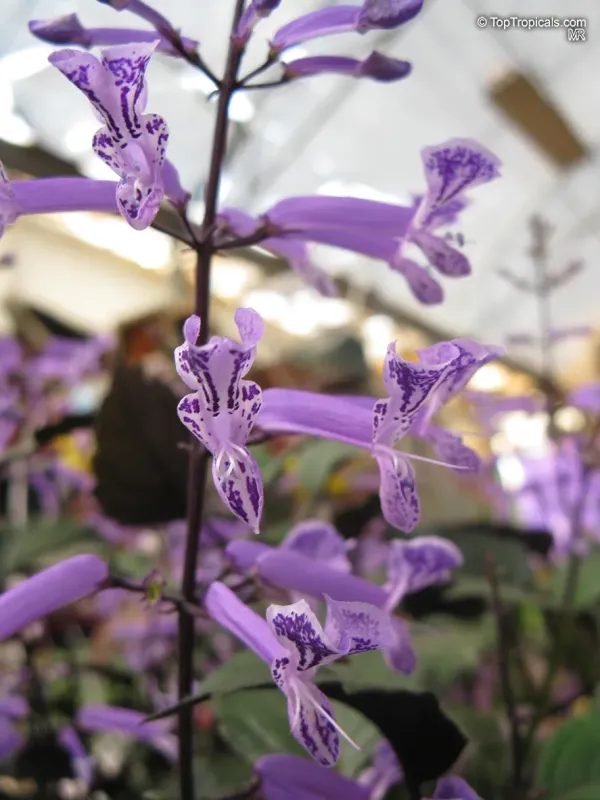
Description
Sowing dates
Propagation of Plectranthus hybrids is primarily achieved through stem cuttings. The best time for this procedure is during the early spring when the plant initiates its annual cycle of vigorous vegetative growth.
Cuttings should be approximately 8–10 centimeters in length. They root efficiently in water or a well-draining substrate like a peat and perlite mix, usually developing a strong root system within two weeks.
For those using the seed method, sowing should occur in late winter or early spring. Seeds should be sown on the surface of moistened soil without heavy covering, as they require light to germinate effectively.
Once seedlings develop their first true leaves, they should be transplanted into individual pots. This transition helps to prevent overcrowding and ensures that each plant receives sufficient nutrients for development.
Final placement in permanent containers or garden beds should be delayed until all frost risks have passed. Plectranthus thrives best when established in stable, warm weather conditions.
Growing requirements
As a member of the Lamiaceae family, the Plectranthus hybrid is known for its versatility. The plant prefers bright, indirect light to maintain its vibrant leaf colors, as direct sunlight often causes leaf scorch.
The ideal soil for this crop is a loose, nutrient-rich mix consisting of loam, leaf mold, and sand. High porosity is essential to prevent water accumulation and ensure proper root oxygenation throughout the growing cycle.
Temperature management is critical for success; the plant flourishes between 20°C and 25°C during the growing season. In winter, a cooler period with temperatures around 12–15°C helps the plant maintain vigor.
Watering must be balanced and moderate. Allow the top layer of the soil to dry slightly between waterings to prevent the development of root-borne pathogens and physiological stress.
Pruning is a fundamental aspect of its maintenance. Regularly pinching back the stems encourages branching, resulting in a denser and more aesthetically pleasing plant architecture.
Main diseases and pests
Common pests affecting Plectranthus hybrids include spider mites and mealybugs, especially in dry environments. These pests can rapidly colonize the undersides of leaves if not monitored regularly.
Treatment involves the application of appropriate systemic insecticides. It is recommended to isolate the affected plant immediately to prevent the spread of the infestation to other parts of the collection.
Fungal issues, particularly root rot, are usually a consequence of overwatering or inadequate drainage. Proper irrigation practices are the best defense against these potentially fatal conditions.
Environmental stress, such as sudden temperature drops or lack of light, often leads to chlorosis or foliage loss. Maintaining consistent environmental conditions helps the plant stay healthy and robust.
Integrated pest management, including regular inspection of the leaves and maintaining good air circulation, significantly reduces the need for heavy chemical treatments and supports plant immunity.