
Plectranthus ecklonii
Plectranthus ecklonii
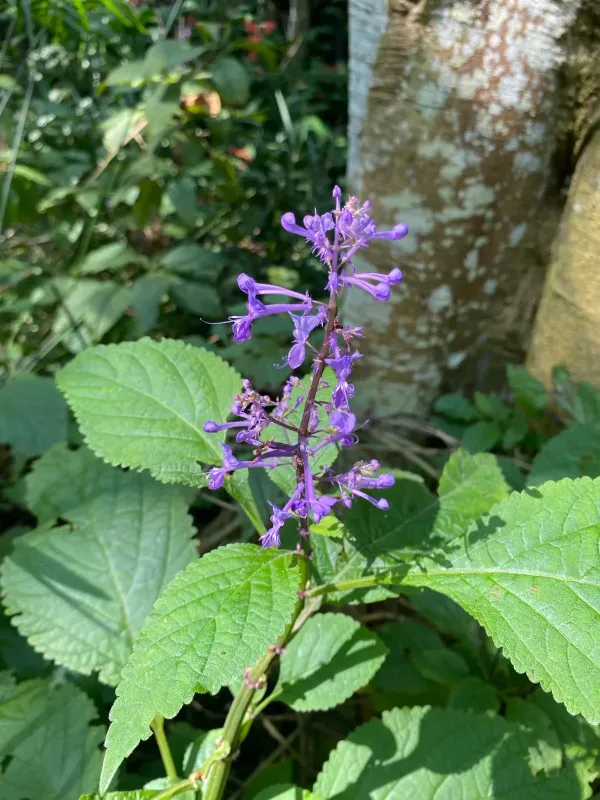
Description
Growing requirements
Plectranthus ecklonii is a perennial subshrub belonging to the Lamiaceae family, primarily recognized for its ornamental value in gardens and greenhouse collections. Native to the forested regions of South Africa, it thrives in environments that mimic its natural woodland habitat.
The culture requires partial shade to full shade conditions for optimal growth. Direct exposure to intense sunlight can bleach the foliage and reduce the plant's overall vigor, making it essential to choose a location that provides protection during the hottest hours of the day.
Regarding soil, Plectranthus ecklonii prefers a well-draining, nutrient-rich substrate. A slightly acidic to neutral pH is ideal. If cultivated in containers, the soil mix should include perlite or coarse sand to ensure that roots are not subjected to waterlogging, which is a major risk factor.
Climate management is critical as this species is not frost-hardy. In temperate regions, it is treated as a seasonal plant that must be moved indoors or treated as an annual if winter temperatures drop below 5 degrees Celsius. Sustaining moderate warmth is key to preventing leaf drop.
General maintenance involves consistent moisture levels, ensuring the soil remains damp but not saturated. Regular liquid fertilization during the active growing season (spring and summer) is recommended to promote the development of its characteristic purple or white flower spikes.
Main diseases and pests
The most common pests affecting this crop include spider mites, aphids, and whiteflies, which tend to congregate on the undersides of the leaves. Regular inspection and the use of insecticidal soaps are standard protocols for managing these infestations effectively.
Pathogen threats are largely limited to fungal issues like root rot and gray mold (Botrytis). These conditions are typically caused by poor drainage or excessive humidity around the foliage. Improving airflow and practicing moderate irrigation are the best preventative measures.