
Plectranthus ernstii
Plectranthus ernstii
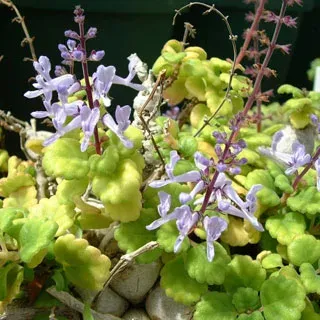
Description
Growing requirements
Plectranthus ernstii is a fascinating semi-succulent shrub belonging to the Lamiaceae family. It is widely recognized by enthusiasts for its unique ability to develop a thick, woody caudex, which makes it a popular choice for bonsai-style cultivation.
The plant originates from the Eastern Cape region of South Africa, where it grows in rocky crevices. This natural habitat has adapted the species to survive in nutrient-poor, rocky substrates with excellent drainage and seasonal variations in moisture.
The cultivation requirements focus on a high-drainage substrate. A mixture of succulent potting soil, coarse sand, and perlite is ideal to ensure that water does not accumulate around the roots and the sensitive caudex base.
Lighting is crucial for maintaining the plant's compact growth habit. It thrives in bright, indirect light, but can tolerate some direct morning sun. Excessive shade will cause the branches to become leggy and lose their aesthetic value.
Watering should be balanced and mindful. During the active growing season, provide water only when the substrate is thoroughly dry. During the winter dormancy period, watering should be significantly reduced to mimic natural conditions.
Main diseases and pests
The most significant threat to Plectranthus ernstii is root rot, which is almost exclusively caused by overwatering or poor drainage. Once the caudex begins to rot, it is difficult to salvage the plant, making preventative measures essential.
Pests such as mealybugs and spider mites are common enemies of this species. These pests tend to congregate in the axils of the leaves or on the undersides of the foliage, depleting the plant's energy and causing stunted growth.
To control pest infestations, it is recommended to use insecticidal soap or neem oil treatments upon the first sign of insects. Maintaining good airflow around the plant helps reduce the likelihood of pest outbreaks.
Fungal diseases can occur if the humidity remains too high and air circulation is poor. Keeping the leaves dry and ensuring the plant is in a well-ventilated area can significantly reduce the risk of infection.
Regular maintenance, including removing dead or yellowing leaves and inspecting the caudex for any signs of softness, is critical for long-term plant health. Early detection of issues allows for immediate intervention and higher chances of survival.