
Zulu spurflower
Plectranthus zuluensis
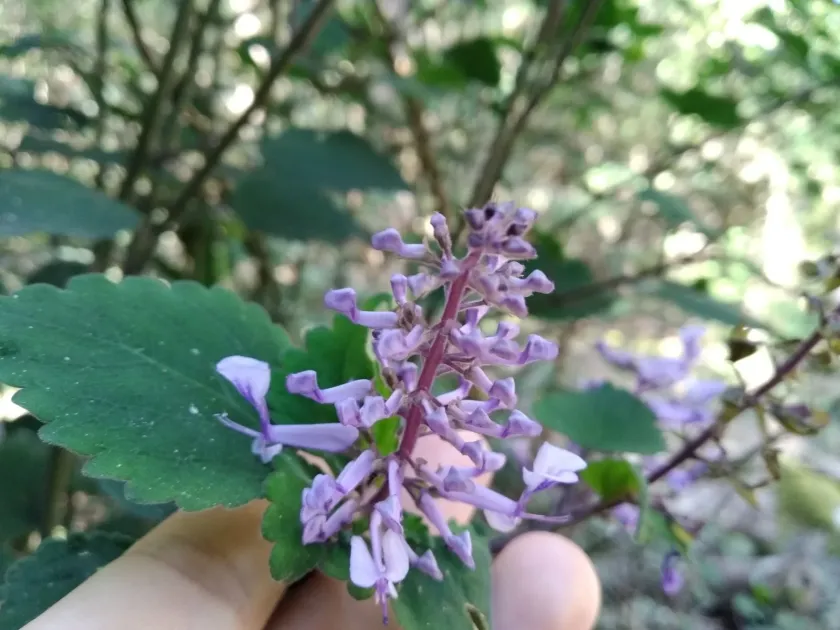
Description
Growing requirements
Zulu spurflower (Plectranthus zuluensis) is a perennial subshrub belonging to the Lamiaceae family. It is widely recognized for its velvety foliage and elongated, fragrant floral spikes that provide significant ornamental value.
Originating from the KwaZulu-Natal region in South Africa, this species thrives in understory conditions. Consequently, it requires partial shade or bright, indirect light to maintain optimal leaf coloration and plant health.
The plant demands well-draining, nutrient-rich soil with a slightly acidic to neutral pH. Proper soil structure is essential, as the species is highly sensitive to waterlogged environments which can quickly cause root decline.
Temperature management is critical for the cultivation of this species, as it is strictly frost-tender. During the growing season, it prefers temperatures between 20°C and 25°C, requiring indoor protection during colder months in temperate zones.
Agrotechnical practices involve regular pruning to encourage bushy growth and maintenance of adequate air humidity. During the active growing phase, balanced water supply and bi-weekly fertilization are necessary to support vigorous development.
Main diseases and pests
The primary pests affecting Plectranthus zuluensis include spider mites and mealybugs. These organisms typically colonize the undersides of leaves, drawing nutrients and causing wilting if left untreated.
Fungal diseases, such as root rot and powdery mildew, are prevalent in environments with poor ventilation or excessive substrate moisture. These pathogens represent the most significant threat to the plant's survival.
Whiteflies may also appear in greenhouse conditions, particularly when the plant is kept in close proximity to other susceptible ornamental species, facilitating the spread of viral infections.
Management strategy relies on early detection and the use of insecticidal soaps or systemic chemicals depending on the severity of the infestation. Maintaining dry foliage is a key preventive measure against mildew.
Providing adequate spacing between plants allows for better air circulation, which is a fundamental requirement for preventing fungal outbreaks and ensuring consistent growth quality.