
Phlomoides laciniata
Phlomoides laciniata
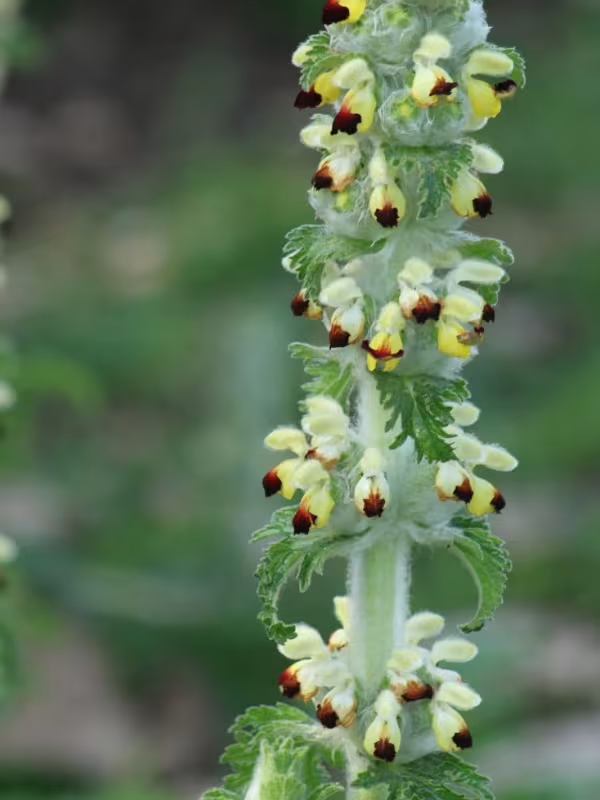
Description
Growing requirements
Phlomoides laciniata is a robust perennial herb belonging to the Lamiaceae family, known for its distinctively dissected foliage. It is native to arid and semi-arid regions, displaying remarkable resilience in harsh environmental conditions.
The crop thrives in well-drained soils with neutral or alkaline pH levels. It is particularly suited for sunny environments where deep root systems can access moisture efficiently, reducing the need for intensive irrigation systems.
Climatically, this species prefers regions with significant sunshine and moderate humidity. It exhibits excellent cold hardiness, making it suitable for wintering in various geographical locations without extensive protection.
Agrotechnical management should focus on maintaining adequate soil drainage, as the species is sensitive to waterlogging. Planting in raised beds or on slopes is often beneficial to prevent root rot in high-precipitation zones.
Regular monitoring of plant growth during the first year is essential to ensure proper establishment. Once mature, the plant shows strong competition against weeds and requires minimal maintenance to sustain productivity.
Main diseases and pests
The primary threats to Phlomoides laciniata are related to soil compaction and moisture excess. Poor drainage systems often lead to fungal pathogen buildup, specifically affecting the integrity of the root system.
Common pests include aphids and various leaf-chewing larvae that can cause cosmetic and physiological damage during the peak growing season. Early detection and targeted biological controls are recommended for management.
Powdery mildew may occur in poorly ventilated plantings with high humidity. Proper spatial distancing between plants is a critical preventive measure to maintain airflow and discourage pathogen spore germination.
Root rot remains the most severe threat, especially in seasons with abnormal rainfall. Implementing good agricultural practices, such as proper seedbed preparation and crop rotation, helps mitigate these risks significantly.
Nutrient imbalances, particularly excessive nitrogen, can lead to succulent growth that is more susceptible to insect infestations. A balanced fertilizer approach is recommended to ensure robust tissue development.