
Phlomoides tuberosa
Phlomoides tuberosa
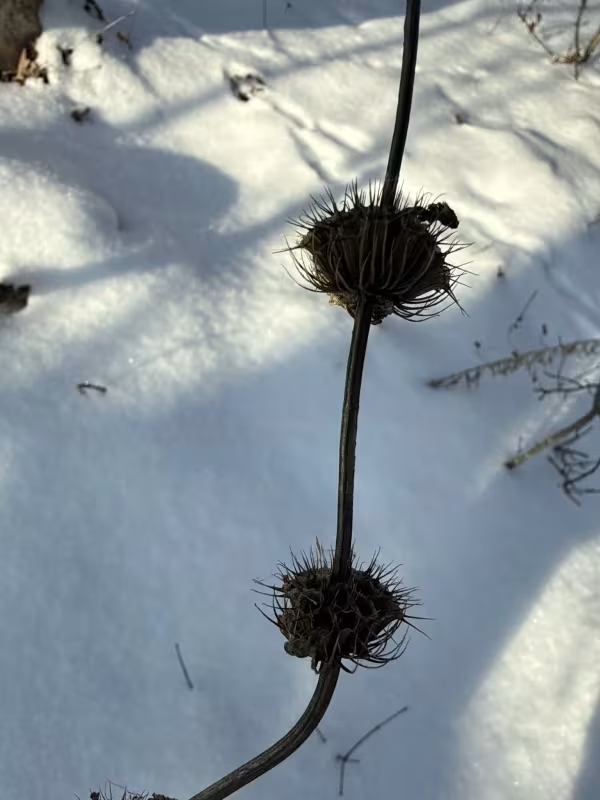
Description
Sowing dates
Phlomoides tuberosa, commonly known as the tuberous Jerusalem sage, belongs to the Lamiaceae family. It is a robust perennial herb known for its tuberous roots which act as storage organs during harsh winter conditions.
Seed propagation requires stratification to break dormancy. Seeds should be sown in autumn to allow natural exposure to winter temperatures, which significantly increases germination rates in the following spring.
If spring sowing is preferred, seeds must be kept in moist sand at temperatures around +2 to +5 degrees Celsius for approximately two months. Direct field sowing is possible, provided the seedbed is finely prepared.
Due to the plant's long-term nature, spacing is crucial. Planting should allow for at least 40–50 centimeters between individual plants to accommodate the wide root systems and the basal rosette of leaves.
Vegetative propagation via tuber division is the preferred method for commercial cultivation, as it ensures faster establishment of the plantation and produces uniform plant growth across the field.
Growing requirements
The plant is highly adaptable to various conditions but thrives in well-lit, open areas with full sun exposure. It is a characteristic species of steppe ecosystems and is highly drought-tolerant.
Soil requirements are relatively modest; however, the plant prefers well-drained, sandy loam, or rich chernozem soils. It is critical to avoid waterlogged sites, as excessive moisture often causes root rot.
Being a deep-rooted perennial, it does not require frequent irrigation once established. It is well-suited for arid or semi-arid climates where typical field crops might struggle with water scarcity.
It exhibits excellent winter hardiness, surviving temperatures well below freezing without the need for additional cover. This durability makes it a low-maintenance perennial for extensive farming.
Soil fertility can be managed with periodic applications of potassium and phosphorus fertilizers, which support both the development of the storage tubers and the production of healthy foliage.
Yield
Phlomoides tuberosa is highly valued as a nectar-producing plant, providing a vital source of forage for bees during the mid-summer period when nectar sources often become scarce.
In terms of medicinal use, the plant contains various secondary metabolites, including flavonoids and essential oils, which have potential applications in the pharmaceutical and nutraceutical industries.
The tubers contain significant amounts of starch, making the plant interesting for research as a potential source of non-traditional food products or starch-based materials in specific regions.
In addition to its commercial use, the plant serves an important role in soil conservation, as its strong root structure effectively binds soil particles, reducing erosion on sloped terrains.
Consistent harvesting of the foliage during the flowering stage allows for continuous production of herbal material while maintaining the health and longevity of the underground tuber system.
Main diseases and pests
The most common pests include leaf-feeding beetles which can cause significant damage to the plant's foliage. Monitoring during the early growth stages is essential to prevent infestations.
Aphids occasionally colonize the flowering stems, which can affect the quality of the nectar and overall plant vigor, necessitating integrated pest management strategies.
Fungal diseases like powdery mildew can arise during periods of high humidity or poor air circulation. Proper spacing and weed control are the best preventive measures for these issues.
Root rot is the primary threat in poorly drained soils. Maintaining proper drainage and avoiding deep soil compaction are critical to ensuring the long-term viability of the crop.
Due to the plant's medicinal value, chemical pesticide use should be minimized or strictly regulated to ensure the end product meets the required purity standards for herbal consumption.
Harvesting
Harvesting for herbal material is best performed during the peak of flowering. The stems should be cut about 15 centimeters above ground level to promote rapid vegetative regrowth.
Post-harvest processing involves rapid drying in shaded, well-ventilated areas or specialized industrial dryers to preserve the bioactive compounds and prevent fermentation.
If harvesting the tubers, this should be done in late autumn after the foliage has withered. This ensures that the plant has stored the maximum amount of energy and starch in the roots.
Tubers must be thoroughly cleaned of soil and debris immediately after extraction. Depending on the end use, they can be dried, ground, or processed into extracts using standard technical procedures.
After the harvest, field sanitation is vital. Removing plant debris reduces the overwintering potential for pathogens and pests, ensuring a healthy start for the plantation in the next season.