


SKU #72744
·
65 views
Hyssop Lapis Lazuli
Hyssop
Herbs
Hyssop
Blooming Period
30
Flower Color
Blue, Purple, Pink, White
Registration year
2010
Your mark
0 votes
0% positive ratings
Store offers · 1 from 1 store
1 offer in 1 store — from 2.37 € per 1 kg.
Available at: buonroza-by
Prices are collected automatically from store websites and converted at the current exchange rate. Check the price and availability on the store website before ordering.
About product
A multifaceted variety with a 30-day bloom and exceptional durability for both culinary and ornamental gardens.
Description
A Spicy Accent for Your Garden: Why Choose Hyssop "Lazur"
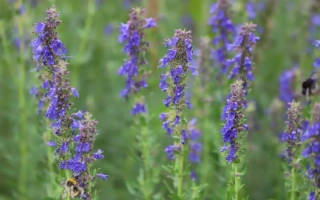
The medicinal hyssop "Lazur" is a breeding achievement from the Federal Scientific Center for Vegetable Production that stands out from common herbs due to its decorative versatility. Unlike wild species, this variety showcases an amazing palette of inflorescence shades: from soft white and pink to intense blue and deep purple. Such visual diversity transforms it from a simple “apothecary garden” into a full-fledged participant in landscape design.
Key Advantages of the Variety
- Prolonged Blooming: The crop delights with flowers for 30 days, creating a powerful nectar-bearing conveyor for pollinators.
- Adaptability: Developed in Russia, the variety guarantees excellent winter hardiness and resilience to climatic fluctuations.
- Multi-functionality: The plant combines the properties of a culinary herb, medicinal raw material, and decorative perennial.
Is "Lazur" Right for You?
This variety is an optimal choice for homeowners looking to create “low-maintenance gardens.” Hyssop is undemanding regarding soil quality, drought-tolerant, and practically pest-resistant thanks to its high essential oil content. If you are looking for a way to fill empty spaces in mixed borders or planning to create a fragrant corner for bees, "Lazur" will handle these tasks without constant oversight. However, keep in mind: hyssop requires sunny locations and does not tolerate waterlogging at the roots — this is the primary risk factor when cultivating it.
Crop & resistance
Crop
Specifications
| Herbs | |
|---|---|
| Blooming Period | 30 |
| Flower Color | |
| Registration year | 2010 |
| Catalog | Catalog → Hyssop |
| Legal data |
Show · 1 |
| Country | Russia |
No reviews yet. Be the first to share your experience.



See also
Often considered together with this variety


Healer
Сельскохозяйственное Селекционно-производственное Предприятие Сортсемовощ
060 1 offer
0.52 € ≈ 26 ₴






Recently viewed
Products you’ve viewed on this site
Reviews