


SKU #72736
·
64 views
Hyssop Formula
Hyssop
СДК-СИДСUser rating
0 votes0% positive reviews
No ratings yet — be the first.
Herbs
Hyssop
Flower Color
White, Pink
Flavor and Aroma
Bitter, Spicy
Seed planting depth, cm
0.5
About product

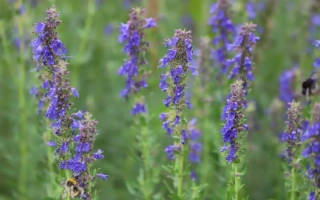
A hardy perennial herb featuring rich essential oils and dual-colored white and pink inflorescences.
Herbs
Hyssop
Flower Color
White, Pink
Flavor and Aroma
Bitter, Spicy
Seed planting depth, cm
0.5
Description
Biological Potential of the 'Formula' Variety
The 'Formula' hyssop variety, developed by SDK-SEEDS (SDK-SIDS), is a perennial essential oil crop characterized by high productivity and a rich biochemical profile. This variety is designed for both ornamental garden use and professional cultivation for medicinal or culinary purposes.
Technical Specifications and Cultivation
- Floral Characteristics: The variety exhibits dual-colored inflorescences (white and pink), making it an excellent candidate for aesthetic landscape design.
- Organoleptic Profile: The foliage is noted for its sharp, spicy aroma and a distinct bitter undertone, which confirms its high essential oil concentration.
- Sowing Precision: Seeds must be sown at a depth of 0.5 cm. This specific depth is essential to ensure proper germination, as hyssop seeds require light and air circulation to break dormancy efficiently.
Operational Advantages
SDK-SEEDS has engineered the 'Formula' variety to be robust and highly resilient in various climatic conditions. Its ability to regrow rapidly after harvesting, combined with high winter hardiness, makes it a reliable asset for long-term plantations. From an agronomic perspective, the plant functions as a natural repellent due to its volatile oil content, which helps protect neighboring crops from pests. Furthermore, its efficacy as a honey plant provides additional value, facilitating natural pollination within the ecosystem. The low maintenance requirements of this variety ensure consistent quality of the raw material, making it a sustainable choice for spice producers.
Crop & resistance
Crop
Specifications
| Herbs | |
|---|---|
| Flower Color | |
| Flavor and Aroma | |
| Seed planting depth, cm | 0.5 |
| Registration year | 2020 |
| Catalog | Catalog → Hyssop |
| Manufacturer | СДК-СИДС |
| Legal data |
Show · 5
|
| Country | Russia |
Store offers
Prices are updated on loadLoading offers…
Aggregator catalog: prices are collected automatically from store websites, normalized by AI and converted at the current exchange rate. Before ordering, confirm the price and availability on the store's website. This block is not indexed by search engines — the data is loaded after the page opens.
Not yet комментариев. Be the first!


See also
Often considered together with this variety


Healer
Сельскохозяйственное Селекционно-производственное Предприятие Сортсемовощ
060 1 offer
1 040 €per 1 kg ≈ 53 287 ₴



Recently viewed
Products you’ve viewed on this site
Reviews · 0