
Vallisneria hybrids
Vallisneria hybrids
Vallisneria hybrids belong to the Hydrocharitaceae family. These aquatic perennial plants are widely recognized for their role in ornamental aquaculture and managed hydroponic setups.
What the section contains
Vallisneria hybrids
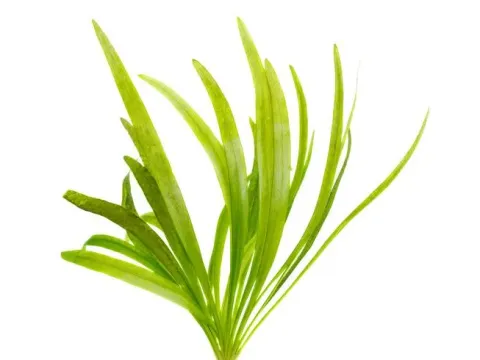
The plant features long, ribbon-like leaves emerging from a basal rosette. It is known for its robust root system that helps anchor the plant in various types of aquatic substrates.
Growth depends heavily on light intensity. High-quality illumination is required to maintain the structural integrity and deep coloration of the leaf blades throughout the season.
The ideal temperature for consistent growth ranges from 22°C to 28°C. Stability is key, as fluctuating environmental conditions often cause the plant to drop its leaves or enter a dormant phase.
Water chemistry, particularly pH levels and mineral content, directly influences growth rates. The plant thrives best in soft to medium-hard water with sufficient CO2 concentration.
Propagation is primarily achieved through vegetative runners (stolons). These runners spread along the substrate and develop new plantlets at intervals.
For commercial cultivation, mature runners are separated from the parent plant and transplanted into nutrient-rich beds to encourage rapid colonization.
Planting density should be managed to ensure adequate water flow and light penetration for every individual rosette, preventing lower-leaf decay.
Soil substrate must be nutrient-dense, typically incorporating iron-rich clay or specialized aquatic fertilizers to support the plant's high metabolic requirements.
Maintenance involves thinning out overgrown clusters regularly to promote continuous development of new, healthy foliage within the cultivated area.
The most significant threat is the rapid proliferation of epiphytic algae, which can smother leaves and effectively halt the photosynthetic process.
Nutrient deficiencies, particularly regarding iron or nitrogen, lead to visible signs of chlorosis, where leaves lose their pigmentation and start to disintegrate.
Pests such as invasive snail populations can cause physical damage to delicate shoots, creating entry points for opportunistic bacterial infections.
Poor water circulation leads to stagnant zones, which favor root rot and fungal colonization, often resulting in complete crop loss if not treated early.
Routine water parameter testing and balanced nutrient management are essential strategies to minimize these threats and maintain a healthy, productive culture.