
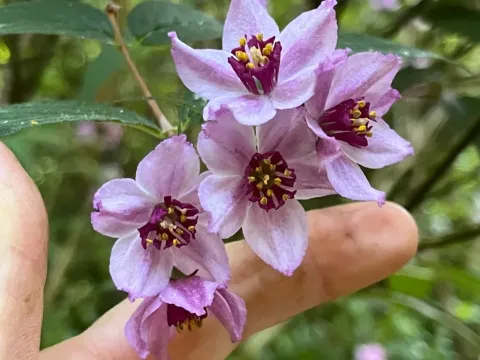
Deutzia sieboldiana
Deutzia sieboldiana
Deutzia sieboldiana is an elegant deciduous shrub belonging to the Hydrangeaceae family. Native to East Asia, specifically Japan, this plant is highly valued for its delicate flowers and graceful habit in landscape architecture.
What the section contains
Deutzia sieboldiana
The plant thrives in locations with ample sunlight, although it appreciates some shade during the hottest hours of the day to protect its foliage. It should be planted in areas shielded from strong winds, which can damage the delicate branches during extreme weather.
Soil requirements are centered on fertility, drainage, and moisture retention. The plant prefers slightly acidic to neutral, humus-rich loams. Proper soil structure is essential, as the roots are sensitive to stagnant water and anaerobic conditions.
Regarding climate, this species prefers moderate temperatures and consistent humidity. While established plants show some tolerance to short periods of drought, regular irrigation during the growth season is vital for achieving optimal flowering results.
In terms of usage, Deutzia sieboldiana serves primarily as a decorative element in residential and public gardens. It is frequently utilized for creating border plantings, background structures, or as a focal point in spring-themed landscape designs.
The most common agricultural threats include fungal pathogens such as powdery mildew, which often develops in poorly ventilated areas with high humidity. Proper spacing between plants and regular thinning of the crown are effective preventive measures.
Pests like aphids and spider mites can infest the foliage, particularly during dry and hot summer spells. Integrated pest management, including monitoring and the use of targeted insecticides, is recommended to mitigate the risk of damage.
Root rot is a major threat caused by overwatering or poorly drained soil. Ensuring a deep, permeable substrate at the time of planting is crucial to maintaining a healthy root system throughout the plant's life cycle.
Late spring frosts can damage emergent buds and tender growth, potentially reducing the seasonal blossom volume. In regions with harsh climates, protective coverings or strategic planting locations can shield the plant from freezing temperatures.
Nutrient deficiencies, indicated by stunted growth or leaf discoloration, can be addressed through regular fertilization. Applying balanced fertilizers early in the season promotes strong growth and enhances the plant's resilience against seasonal stressors.