
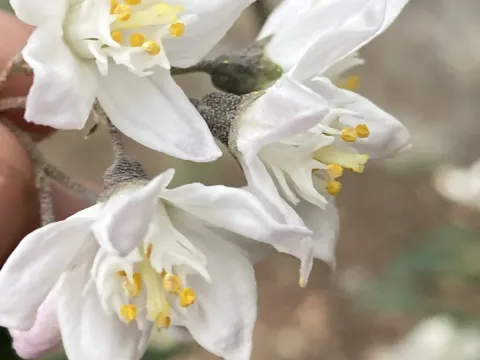
Deutzia staminea
Deutzia staminea
Deutzia staminea is a deciduous flowering shrub belonging to the Hydrangeaceae family. Native to the Himalayan mountain ranges, it has adapted to diverse climatic conditions, making it a valuable subject for temperate garden cultivation.
What the section contains
Deutzia staminea
The shrub thrives in moist, well-drained, and nutrient-rich soils. A neutral to slightly acidic pH is considered ideal for maintaining optimal nutrient uptake and ensuring the healthy development of its delicate root system throughout the growing season.
This species prefers a location with plenty of sunlight, which promotes high floral productivity. However, in regions with very hot summers, partial shade during the peak afternoon hours is beneficial to prevent leaf scorch and ensure the plant's overall vitality.
Agrotechnical management requires consistent watering, especially during the establishment phase and periods of drought. Mulching around the base of the shrub helps to retain soil moisture and regulate soil temperature, creating a stable environment for growth.
The plant is primarily used for ornamental purposes in public parks and private landscapes. It is particularly admired for its fragrant white flowers and distinctive long stamens, which make it a standout choice for spring garden displays.
The primary pathological threats to Deutzia staminea include powdery mildew, which often occurs due to poor air circulation. Implementing appropriate pruning techniques to thin out the canopy is essential for preventing fungal infections and ensuring good plant hygiene.
Pest management focuses on controlling aphids and spider mites, which can cause significant damage to young leaves and stems. Regular scouting and, when necessary, the application of soap-based sprays or systemic insecticides are recommended to manage these threats.