
Lechenaultia hybrid
Lechenaultia biloba x lechenaultia formosa
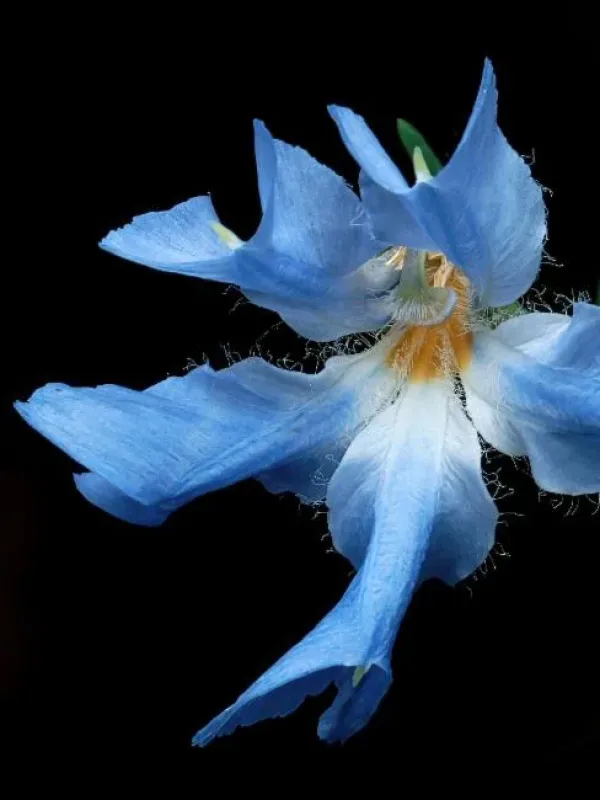
Description
Growing requirements
Lechenaultia hybrid (Lechenaultia biloba x L. formosa) is an ornamental shrub belonging to the family Goodeniaceae. This cultivar is highly valued for its striking, vivid flowers and is a product of deliberate cross-breeding between two distinct Australian native species.
This plant requires a Mediterranean or temperate climate to thrive. It performs best in full sunlight, which is essential for healthy foliage density and prolific flowering. In regions with intense heat, partial shade during the hottest part of the day can be beneficial for young specimens.
The soil requirements are strict: the plant mandates exceptionally well-drained, sandy or gravelly soil. It is highly sensitive to root rot, meaning that any heavy or clay-based substrate will significantly increase the risk of plant mortality within the first season.
Lechenaultia hybrid is not cold-hardy. In regions with freezing temperatures, it must be grown in containers and brought indoors during the winter months. The indoor environment should be cool and exceptionally bright to prevent the plant from becoming leggy or weak.
Watering must be managed with care. It is essential to use soft water, as plants in this family often exhibit adverse reactions to high levels of calcium or salts in the irrigation source. Fertilization should be light, as excessive nutrients can negatively impact root development.
Main diseases and pests
The primary threat to the health of the Lechenaultia hybrid is the incidence of root rot caused by Phytophthora or similar fungi. This is almost exclusively linked to poor drainage or overwatering, making careful moisture control the most effective preventative measure.
Spider mites represent the most common pest, especially in indoor or greenhouse settings where air circulation may be limited. These mites thrive in dry conditions and can quickly weaken the plant by feeding on the sap of the tender shoots and leaves.
Mealybugs can also pose a threat, often appearing in the leaf axils. Regular inspection is necessary to catch infestations early, as the plant's delicate structure makes it difficult to apply heavy-duty systemic insecticides without risk of damage.
Fungal leaf spot can occur if the plant is kept in conditions with poor airflow and high humidity. Providing adequate space between plants and ensuring a gentle breeze significantly reduces the likelihood of these infections spreading.
Sanitation is a critical component of pest management. Removing fallen debris from the surface of the soil and pruning away dead or dying stems prevents pathogens from finding a substrate in which to reproduce.