
Lechenaultia formosa
Lechenaultia formosa R. Br.
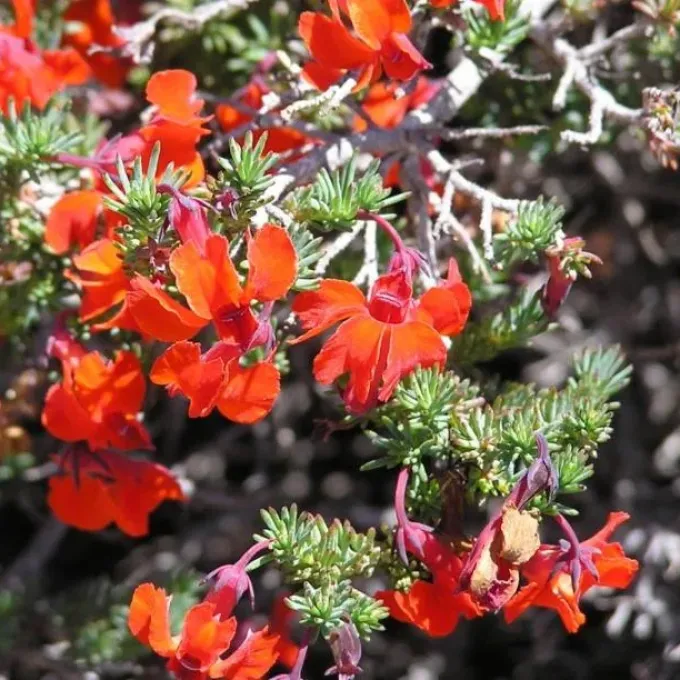
Description
Growing requirements
Lechenaultia formosa is a charming dwarf shrub belonging to the Goodeniaceae family, native to the sandy heathlands of Western Australia. It is highly valued for its striking, multi-colored flowers and evergreen foliage.
The plant thrives in well-draining, sandy, and slightly acidic soils. When cultivating this species, especially in containers, it is essential to use a porous growing medium to prevent moisture retention, which can be fatal to the roots.
Lechenaultia requires a Mediterranean-like climate, characterized by warm temperatures and moderate sunlight. While it appreciates bright light, it should be protected from harsh, direct afternoon sun in extremely hot conditions.
Irrigation must be handled with care; use only soft or rainwater, as the plant is extremely sensitive to lime and high salt content in tap water. Allow the soil to dry out significantly between watering sessions.
During winter months, the plant should be kept in a cool, bright location with temperatures consistently above freezing. Proper ventilation is key to ensuring that the plant remains healthy and resistant to physiological stress.
Main diseases and pests
Root rot is the most common disease associated with Lechenaultia formosa, primarily triggered by overwatering or poor soil drainage. Maintaining a dry root environment is the most effective preventative measure against this threat.
Pests such as spider mites and mealybugs can colonize the foliage, particularly in environments with low humidity. These pests suck the sap from the stems, leading to stunted growth and reduced blooming capacity.
Integrated pest management, including regular inspection and the use of insecticidal soaps or systemic treatments, is recommended. Keeping plants clean and ensuring adequate airflow helps mitigate the risk of infestation.
Nutrient imbalances, particularly iron deficiency caused by high pH levels in the growing medium, can lead to yellowing of the leaves. Using fertilizers specifically formulated for acid-loving plants can correct this issue.
Fungal leaf spots can occur if the foliage remains wet for extended periods or if the plant is kept in an area with poor air circulation. Pruning away damaged or overcrowded branches can help improve the overall health of the specimen.