
Blue leschenaultia
Lechenaultia biloba Lindl.
Description
Growing requirements
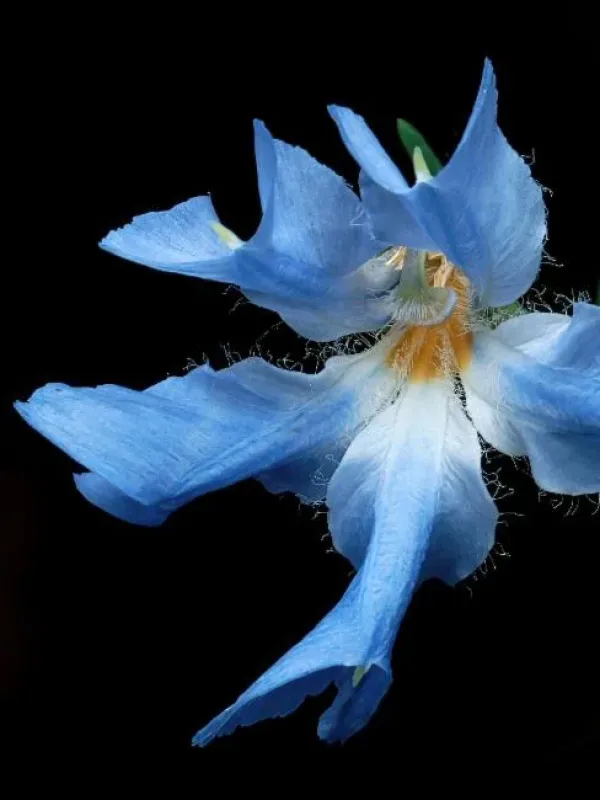
Blue leschenaultia (Lechenaultia biloba) is a species of flowering plant in the family Goodeniaceae. Native to Western Australia, it is highly prized for its intense, vivid blue flowers that bloom abundantly in spring, creating a spectacular display in temperate garden settings.
Botanically, this plant is a small, bushy shrub that typically grows to a height of 50–60 cm. Its foliage is slender and light green, serving as a delicate backdrop to the large, lobed petals that characterize this specific species.
The primary requirement for successful cultivation is extremely well-draining soil. In its native habitat, it grows in sandy or rocky soils, which do not retain moisture for long periods. Gardeners must replicate these conditions by incorporating grit or coarse sand into the potting medium.
Climate preference leans towards mild, Mediterranean-style weather. The plant requires a sunny location to stimulate flower production, although it performs best when protected from the intense, scorching afternoon sun in regions with very hot summers.
Maintenance involves careful watering practices. It is essential to allow the soil to dry out significantly between waterings. Furthermore, the species is sensitive to high phosphorus levels, so one should use specific low-phosphorus fertilizers designed for native Australian plants.
Main diseases and pests
The most significant threat to the health of Blue leschenaultia is root rot, typically caused by soil-borne pathogens such as Phytophthora. This usually occurs when the soil remains too wet for extended durations, leading to rapid decay of the root system.
Common pests that may affect the shrub include aphids and spider mites, particularly when the plant is kept in containers indoors or in enclosed greenhouses where airflow is limited and temperatures remain high.
To manage pests, it is recommended to maintain optimal humidity levels and ensure good air circulation around the plants. Early detection is crucial, and pests should be addressed immediately upon sighting using insecticidal soaps.
Fungal diseases like powdery mildew can appear if the plant is grown in high-humidity areas without proper ventilation. Ensuring that the foliage remains dry and that the site is breezy helps prevent these issues significantly.
Proper sanitation practices, including the removal of dead or decaying plant material, will further reduce the risk of secondary infections and pest infestations in both outdoor gardens and greenhouse settings.