
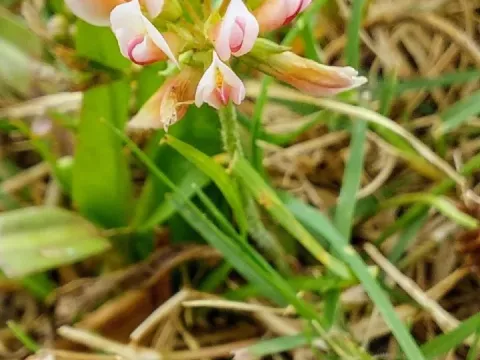
Many-form clover
Trifolium polymorphum
Many-form clover (Trifolium polymorphum) is a perennial legume species characterized by its significant morphological variability, originating from the South American region.
What the section contains
Many-form clover
This plant is primarily utilized in pastoral systems due to its ability to persist in various environmental conditions and its high nutritional value for livestock.
The establishment of the crop is best achieved in spring or early autumn, ensuring that soil moisture levels are adequate to support initial root system development.
Seeds should be sown at a shallow depth to ensure optimal germination rates, followed by light rolling to improve soil-to-seed contact in the field.
Successful sowing also involves ensuring the presence of specific rhizobia bacteria to facilitate the biological nitrogen fixation process, which is essential for plant vigor.
This clover species thrives in temperate to subtropical climates and prefers well-drained soils that are not susceptible to long-term waterlogging or flooding.
Soil pH should ideally be in the slightly acidic to neutral range, as extreme alkalinity or acidity can inhibit the uptake of essential micro-nutrients required for growth.
Adequate sunlight is necessary for optimal performance; therefore, it is often sown in open pastures rather than in areas with dense tree canopy cover or competing vegetation.
While the plant shows moderate drought tolerance, sustained periods of moisture stress can reduce biomass production, requiring supplemental management strategies.
Regular maintenance of fertility through soil testing and balanced fertilization, particularly with phosphorus, significantly enhances the longevity and productivity of the stand.
The primary use of Many-form clover is as a high-quality forage crop, often integrated into pasture mixes to provide essential protein and minerals to grazing animals.
Productivity is measured by the biomass accumulation throughout the grazing season, with the plant showing remarkable regrowth capabilities after being grazed or mowed.
Because of its perennial nature, the clover provides consistent ground cover and reduces erosion, contributing to the overall sustainability of the grazing system.
Grazing management is crucial; rotational grazing helps maximize yield by allowing the plants sufficient recovery time between grazing events.
- High crude protein content.
- Excellent persistence under grazing.
- Soil health improvement through nitrogen fixation.
Common pathological threats include foliar fungal diseases, such as leaf spots or rusts, which become more prevalent during periods of high humidity and stagnant air.
Pest pressure from insects, including weevils and aphids, may impact the health of the plant, especially during early establishment or late-season growth phases.
Integrated Pest Management (IPM) practices, such as maintaining appropriate grazing intensity and avoiding over-stocking, are recommended to minimize pest outbreaks.
Crop rotation and field sanitation help in breaking the life cycles of soil-borne pathogens that target legume species in pasture environments.
Constant monitoring is advised, as timely interventions or adjustments to grazing schedules can prevent minor infestations from escalating into widespread damage.