
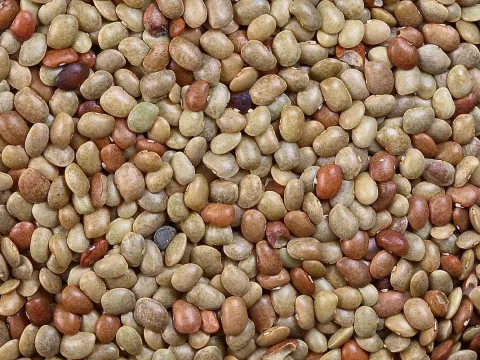
Macrotyloma tenuiflorum
Macrotyloma tenuiflorum
Macrotyloma tenuiflorum is a warmth-loving crop that requires stable soil temperatures above 20°C for effective germination. Sowing should only commence after the danger of frost has passed to ensure optimal seedling development.
What the section contains
Macrotyloma tenuiflorum
The planting depth typically ranges from 3 to 5 centimeters. Proper depth control is essential in arid conditions to place the seeds in a moist environment, preventing desiccation during the germination stage.
Sowing density varies depending on whether the intended use is forage production or seed multiplication. Row spacing should be carefully managed to prevent competition between plants while ensuring full coverage of the soil surface.
Early planting is generally recommended to maximize the utilization of seasonal rainfall before the onset of extreme heat. Precise timing helps the crop establish a deep root system, which is crucial for later resilience.
Crop rotation protocols suggest integrating this species every three to four years. It acts as an excellent rotation partner for cereals, improving soil fertility through natural biological nitrogen fixation.
As a member of the Fabaceae family, this crop is highly valued for its exceptional adaptation to harsh climatic conditions, particularly in regions prone to long, hot dry spells.
The plant thrives in well-drained soil types, including sandy loams and light-textured soils. It is particularly sensitive to waterlogging, which can quickly lead to root rot and diminished plant vigor.
Macrotyloma tenuiflorum is highly photophilous and requires full exposure to sunlight throughout its growth cycle. Insufficient light exposure will result in etiolation and a significant reduction in overall yield.
Fertilization management focuses on providing phosphorus and potassium, as these nutrients support root expansion and seed development. Nitrogen fertilization is rarely necessary due to the plant's symbiotic relationship with nitrogen-fixing bacteria.
- Preferred soil: Well-drained
- Climate tolerance: High drought resistance
- Light requirement: Full sun
- Nitrogen fixation: High
- Lifecycle: Annual/Perennial variants
Pathogen pressure in this species is relatively low when managed under optimal conditions. However, fungal infections like powdery mildew may appear if the canopy is too dense or humidity levels rise significantly.
Insect pests including weevils and aphids represent the primary biotic threat, particularly during the flowering and seed-filling stages. Effective scouting is vital for timely intervention.
Integrated Pest Management (IPM) strategies are recommended to maintain ecological balance. Utilizing cultural practices, such as crop rotation, significantly reduces the survival rate of localized pathogens.
Seed health is the most critical factor in preventing disease outbreaks. Using certified, disease-free seed lots significantly mitigates the risks of soil-borne illnesses infecting the crop during germination.
Avoiding moisture accumulation at the base of the plant is the most effective cultural method to prevent root-based diseases. Proper spacing and airflow are the best tools for the agronomist in the field.