
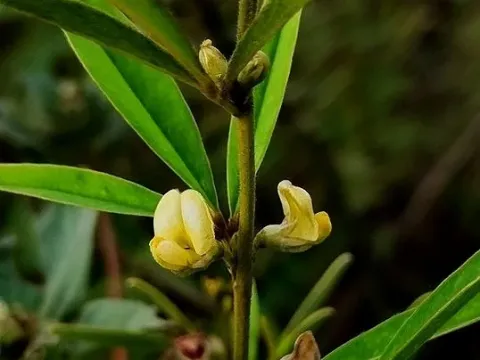
Tephrosia brevipes
Tephrosia brevipes
Tephrosia brevipes is a tropical crop that requires consistent warmth for successful establishment. The optimal sowing window typically aligns with the beginning of the rainy season when soil temperatures are sufficiently high.
What the section contains
Tephrosia brevipes
Sowing is performed in rows with a spacing of 40–50 cm to facilitate robust root system development. Seeds are planted at a depth of 2–3 cm, depending on the moisture content of the substrate at the time of planting.
Scarification of seeds is highly recommended to improve germination rates, as the seed coat is naturally hard and resistant to water uptake. Ensuring proper seed-to-soil contact is essential for uniform emergence.
When used as a green manure, seed density can be increased to outcompete weeds during the early establishment phase. Adequate moisture during the first few weeks after sowing is crucial for a vigorous start.
In many African agricultural systems, Tephrosia brevipes is intercropped with staple food plants. This practice helps maximize land use efficiency while preparing the soil structure for subsequent cultivation cycles.
The plant thrives in well-drained sandy or sandy-loam soils. It is sensitive to waterlogging, so selecting fields with appropriate topography is vital to prevent anaerobic conditions in the root zone.
As a heliophilous species, it requires full sunlight to maximize photosynthetic activity and biomass production. Significant shading will result in stunted growth and poor development of the crop.
The species is well-adapted to moderate drought conditions due to its deep taproot system. However, for maximum green biomass accumulation, consistent water supply during the active growing phase is required.
Inoculation with specific nitrogen-fixing rhizobia is beneficial, especially in soils where the crop has not been grown previously. This symbiosis is the core of its efficiency in improving soil nitrogen levels.
Temperature range should be kept between 22 and 30 degrees Celsius. The crop is highly sensitive to frost, which can cause immediate cessation of growth and severe damage to the foliage.
Biomass production of Tephrosia brevipes can reach 15–20 tons per hectare under optimal conditions. This organic matter is a critical resource for soil restoration and improvement of structural stability.
Seed yield varies depending on environmental factors and typically ranges from 500 to 800 kg per hectare. Proper timing of harvest is required to ensure both quality and quantity of the seed crop.
The nutrient concentration of the foliage depends on the harvest stage. Peak nutritional value for animal feed or green manure is achieved at the onset of the flowering phase before the stem becomes too woody.
The crop's ability to regenerate after partial cutting allows for multiple biomass harvests within a single growing season. This durability makes it a valuable component in sustainable agricultural systems.
Total productivity is measured not just by biomass volume, but by the long-term impact on soil organic matter content and nitrogen levels after the crop residues are incorporated into the field.
The main pests affecting Tephrosia brevipes include various leaf-eating caterpillars and beetles. Regular field monitoring is essential to detect early infestations and apply appropriate control measures.
Fungal diseases, such as leaf spot or root rot, are more prevalent in high-humidity conditions with poor airflow. Crop rotation is the most effective preventative measure to disrupt pathogen life cycles.
Parasitic plants like Striga can be a significant threat in infested areas. Regular mechanical weeding and maintaining a healthy crop stand are vital strategies to mitigate the impact of such parasites.
Seed storage requires strict control over moisture levels. High humidity in storage facilities can lead to mold growth and decay, which significantly reduces the viability of the planting material.
Reduced nitrogen fixation activity due to poor soil conditions can be mistaken for a disease. Proper diagnosis of soil health is necessary to ensure the plant performs its function of soil enrichment effectively.
For green manure purposes, the biomass should be harvested just before or at the beginning of the flowering stage. This phase provides the best nitrogen-to-biomass ratio for soil enrichment.
Seed harvesting is conducted when the pods turn brown and begin to dry. This phase requires careful management to avoid shattering and seed loss during the harvest process.
After mowing, the green material is typically chopped and incorporated into the upper soil layer through disc harrowing. This promotes rapid decomposition and the integration of nutrients into the soil profile.
Harvested seeds must be dried in shaded, well-ventilated areas to prevent spoilage and maintain germination potential. Proper handling and storage ensure consistent crop performance for the following season.
Mechanization of the harvest process significantly reduces labor costs. Ensuring that machinery is correctly calibrated helps minimize mechanical injury to seeds and increases the overall efficiency of the operation.