
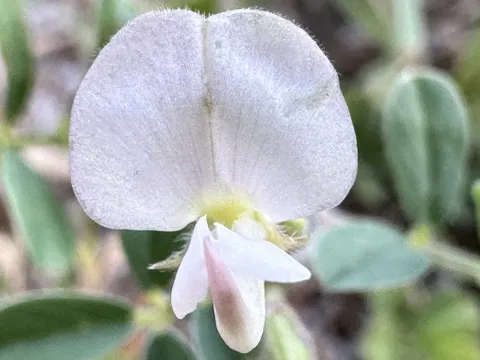
Tephrosia
Tephrosia
Tephrosia seeds should be sown at the beginning of the rainy season to ensure they receive the moisture required for germination and initial root development.
What the section contains


Tephrosia
The optimal soil temperature for planting ranges between 22 and 30 degrees Celsius, which is typical for the tropical climates where this crop thrives.
Seeding rates depend on the intended application; high-density planting is common when the crop is grown specifically for green manure production.
Seeds are typically sown at a depth of 2 to 4 centimeters, ensuring they are well-covered to protect them from heat damage and avian predators.
Seed scarification is often recommended to overcome the physical dormancy of the seed coat, leading to more uniform emergence across the field.
Tephrosia is a genus within the Fabaceae family, known for its exceptional drought tolerance and ability to thrive in varied environmental conditions.
The crop performs best in well-drained sandy or sandy-loam soils, though it shows impressive adaptability to less fertile, nutrient-poor soil profiles.
A major agricultural benefit is its strong nitrogen-fixing capability, facilitated by symbiosis with specific root nodule bacteria, which enriches the soil.
It requires full sun exposure to achieve maximum growth; excessive shading can significantly reduce the vigor and biomass production of the plants.
Soil pH levels between 5.5 and 7.0 are generally considered ideal for maintaining healthy plant physiology and maximizing nitrogen fixation rates.
The biomass yield of Tephrosia is significant, making it a valuable candidate for improving soil organic matter content in depleted agricultural lands.
Growth rates are highly dependent on rainfall distribution; consistent moisture during the vegetative stage results in high leaf and stem biomass.
Under irrigation, Tephrosia can produce multiple harvests within a single growing season, greatly increasing the total organic output of the farmland.
Seed yields are also substantial, providing farmers with a self-sustaining source of planting material for subsequent agricultural cycles.
Returning the biomass to the soil contributes to improved long-term soil structure, better moisture retention, and reduced reliance on synthetic fertilizers.
Fungal diseases, particularly root rots, represent the primary threat to Tephrosia, especially in waterlogged areas with poor soil drainage characteristics.
Insect pests, including various beetles and lepidopteran larvae, can cause significant defoliation if they attack the plants during early growth phases.
Root-knot nematodes may also impact crop health by damaging the root system, which can inhibit the plant's nitrogen-fixing efficiency over time.
Proper field management, including long-term crop rotation and ensuring good air circulation, is essential to mitigate the spread of pathogens.
Integrated pest management strategies are advised to keep pest populations at tolerable levels without harming beneficial soil microflora.
The ideal time to harvest Tephrosia for green manure is at the onset of flowering, when the nutrient content in the plant tissue is at its peak.
Plants can be cut and incorporated into the topsoil, acting as a natural fertilizer that decomposes to release nutrients for the succeeding main crop.
When grown for seeds, harvesting occurs after the pods have fully matured and turned brown, indicating the seeds have reached physiological maturity.
Care must be taken during the seed harvest to prevent pod shattering, as delayed harvesting can lead to significant yield losses due to seed drop.
Post-harvest processing involves drying the seeds in a well-ventilated area away from direct sunlight to preserve germination potential and seed health.