
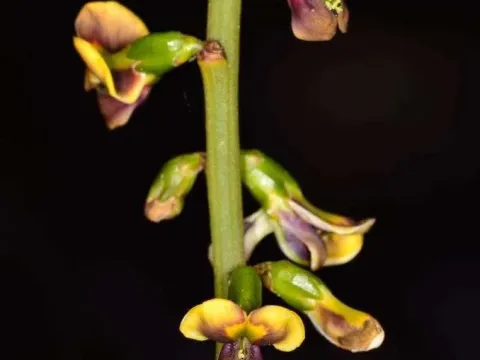
Templetonia
Templetonia R. Br.
Templetonia is a genus of shrubs in the Fabaceae family, native to Australia. These plants are highly specialized to survive in various environments, ranging from arid scrublands to woodland ecosystems, showcasing remarkable resilience in harsh soil conditions.
What the section contains

Templetonia
The core agronomic requirement for Templetonia is excellent drainage. As a member of the legume family, it thrives in sandy, well-aerated soils where oxygen can reach the roots. Poor drainage or waterlogged conditions are lethal to the root system, causing rapid fungal decay.
Regarding light, this culture requires full sun exposure. It is a heliophilic plant, meaning it relies on high light intensity for optimal growth and flowering. Any shading will drastically reduce its vigor and reproductive capabilities, making site selection critical.
The plant demonstrates high drought tolerance once established. Its root structure is designed to explore deep soil layers, which helps it maintain productivity during periods of low rainfall without the need for constant supplemental irrigation.
In terms of soil fertility, Templetonia is self-sufficient regarding nitrogen. Due to its symbiotic relationship with rhizobia, it can flourish in nutrient-poor soils where other crops would fail, provided the soil pH remains within a near-neutral range.
The primary threats to Templetonia are root-rot pathogens such as Phytophthora, which thrive in poorly drained environments. Preventive measures must prioritize the prevention of standing water around the base of the plant.
Insect pests include sucking insects like scale and aphids, which target the tender new growth during warmer months. These pests can significantly weaken the plant if left untreated, as they compromise the structural integrity of the stems.
Environmental stress, such as unseasonable frosts or extreme humidity, can trigger physiological disorders. These disorders often manifest as leaf chlorosis or premature drop, indicating that the plant is struggling to adapt to non-native or artificial microclimates.
Integrated Pest Management (IPM) is recommended for this crop. Mechanical removal of damaged foliage, combined with targeted biological control agents, is preferred over the widespread application of broad-spectrum pesticides, which can harm beneficial insects.
Good horticultural practice includes regular monitoring of soil moisture levels. By keeping the surface soil slightly dry and ensuring adequate spacing between plants, growers can significantly reduce the risk of common fungal diseases.