
Madras thorn
Pithecellobium dulce (Roxb.) Benth.
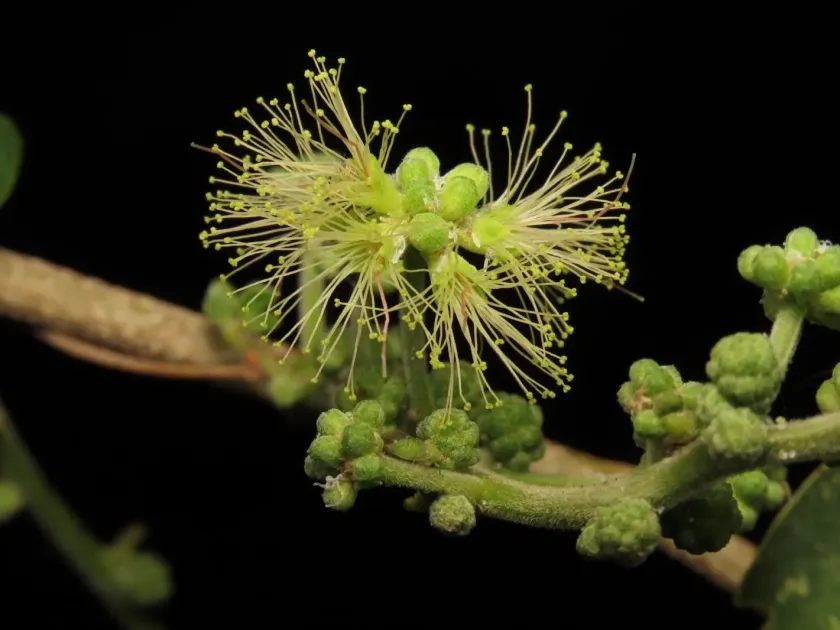
Description
Sowing dates
Pithecellobium dulce is propagated primarily through seeds, which exhibit high viability. No complex scarification is required, although soaking seeds in water for 24 hours can significantly increase germination speed and uniformity.
Sowing should ideally occur at the beginning of the rainy season in nurseries or pots. Seedlings are grown until they reach a height of 30–50 cm before being transplanted into their permanent field locations.
For orchard cultivation, spacing should be at least 5 by 5 meters. This ensures adequate airflow between canopies and allows for easy access during the harvest season. The plant's fast-growing nature allows it to establish quickly even in poor conditions.
Vegetative propagation via semi-hardwood cuttings is an effective method for cloning superior phenotypes. Treated with rooting hormones, these cuttings produce stable, high-yielding trees suitable for commercial agriculture.
Young plants require consistent watering during their first growing season. Once established, they become highly resilient, though regular weeding around the base is necessary to minimize nutrient competition and promote canopy development.
Growing requirements
As a member of the Fabaceae family, this species is exceptionally hardy. It thrives in diverse environments, including saline and alkaline soils, which makes it an excellent choice for land reclamation and reforestation projects.
The tree requires full sun for optimal development. It is intolerant of heavy shade, which will stunt its growth and severely limit fruit production. It performs best in regions with a warm, tropical, or subtropical climate.
It is remarkably drought-tolerant, surviving long dry seasons due to its deep taproot system. The optimal temperature range for growth is between 20°C and 35°C, though it can tolerate light frosts if it is fully mature.
Due to its ability to fix atmospheric nitrogen through a symbiotic relationship with rhizobia, the plant does not require significant nitrogenous fertilization. This trait contributes to its reputation as a low-maintenance agricultural crop.
Proper drainage is essential. While the tree can endure various soil textures, it does not perform well in waterlogged conditions, which can lead to root rot. A well-aerated site is crucial for long-term tree health and yield stability.
Yield
The Madras thorn begins to fruit within 3 to 4 years of planting. Commercial yield increases substantially as the tree matures, with optimal production typically occurring after 10 to 15 years.
Fruits are spirally shaped pods containing a sweet, nutritious pulp (aril) surrounding black seeds. A mature, healthy tree can produce between 50 and 100 kg of fruit per season under favorable growing conditions.
Yield depends on climatic stability during the flowering phase. Adequate soil moisture during fruit development ensures higher sugar content and better texture of the pulp, which is highly valued in local markets.
Harvesting is often staggered, as pods do not ripen all at once. This extended harvest period is advantageous for farmers, as it allows for a continuous supply of fresh produce over several months.
The tree is multi-purpose: besides the edible fruit, the leaves serve as a highly nutritious fodder for livestock, containing significant protein levels. This dual-use capability makes it a valuable asset in agroforestry systems.
Main diseases and pests
Madras thorn is naturally robust and faces relatively few serious disease challenges. In high-humidity climates, it may occasionally suffer from foliar fungal infections like leaf spot or anthracnose if airflow is poor.
Insect pests such as leaf-eating caterpillars or beetles can cause localized damage. In rare instances, borers may penetrate the wood of older trees, weakening branches and necessitating structural pruning.
Prevention is the best strategy. Maintaining a well-pruned, open canopy promotes air circulation and reduces the incidence of fungal pathogens. Avoiding water stagnation around the root collar prevents soil-borne diseases.
Biological control agents, such as neem-based sprays, are highly recommended in commercial orchards to manage infestations without compromising the safety of the fruit or the surrounding ecosystem.
Regular field scouting is essential to identify early signs of infestation. Removing infested or dead wood immediately helps prevent the spread of borers and other harmful insects across the plantation.
Harvesting
Manual harvesting is the standard practice, conducted when the pods turn pinkish or reddish and naturally start to split open, indicating maturity. Harvesters must use caution due to the sharp stipular spines on the branches.
Fruit quality degrades rapidly post-harvest, so immediate consumption or processing into products like beverages, jams, or sweets is required. Cold chain logistics are usually not employed, emphasizing local market distribution.
Care must be taken to ensure that pods remain clean and free from damage during the collection process. Specialized tools or protective gear are necessary to safely navigate the thorny branches during the harvest.
After collection, pods are sorted by quality and maturity level. While some mechanized methods of gathering exist, the delicate nature of the sweet pulp makes manual hand-picking the preferred method for maintaining high-quality produce.
The seeds are a valuable byproduct. They are rich in oil, which can be extracted for industrial or culinary purposes, ensuring that almost every part of the plant contributes to its overall economic value.