
Phyllodium pulchellum
Phyllodium pulchellum
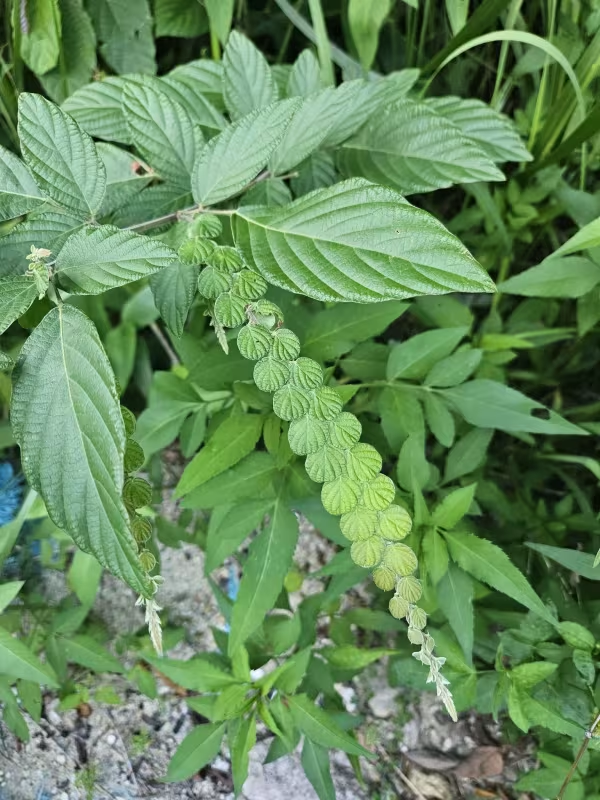
Description
Growing requirements
Phyllodium pulchellum is a perennial shrub species within the Fabaceae family, native to tropical and subtropical regions of Asia. It is widely recognized for its unique, paper-like bracts that enclose its inflorescences.
The plant thrives in well-drained, fertile soil with a pH ranging from slightly acidic to neutral. It is highly valued in tropical agriculture for its ability to stabilize soil and contribute to nitrogen fixation through symbiotic relationships with bacteria.
Climate requirements for this species are specific: it demands high humidity and a consistent temperature range, typically between 20°C and 30°C. It is sensitive to frost and is generally restricted to tropical zones or greenhouse conditions in colder climates.
Sunlight exposure should be bright but filtered to prevent scorching of the leaves. Adequate water supply during the growing season is essential, although the plant shows moderate drought tolerance once fully established.
Agricultural management involves routine pruning to maintain shape and encourage dense foliage development. It is often planted as an ornamental or used in traditional herbal medicine, requiring minimal but consistent soil maintenance.
Main diseases and pests
The main pests affecting Phyllodium pulchellum include various species of leaf-eating caterpillars and spider mites, which can cause significant damage to the foliage during periods of low humidity.
Fungal pathogens such as powdery mildew and leaf spot are common threats, especially when plants are grown in poorly ventilated or excessively damp environments.
Root rot is a critical threat caused by waterlogged soil conditions. Ensuring proper soil structure and drainage is the primary defense against such physiological and pathological failures.
Effective pest management involves integrated strategies, such as physical removal of larvae and the application of organic horticultural oils if the infestation reaches economic thresholds.
Sanitation practices, including the removal of dead leaves and debris from the base of the shrubs, are vital to reducing the inoculum of fungal pathogens in the field.