
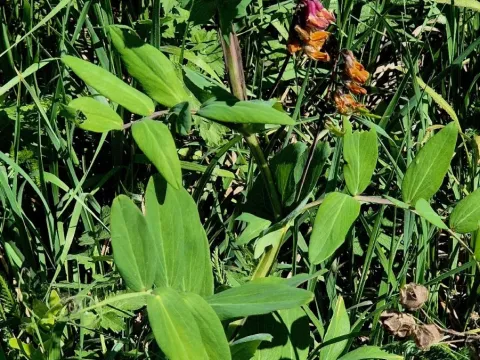
Pea-vine
Lathyrus pisiformis
Lathyrus pisiformis is a perennial legume that requires careful site preparation, focusing on deep tillage to ensure an optimal environment for root system expansion.
What the section contains
Pea-vine
The sowing process is ideally conducted in early spring, once soil temperatures reach a minimum of 8 to 10 degrees Celsius to support consistent germination.
Spacing should be managed to prevent overcrowding, with row distances set between 20 and 40 centimeters to allow for proper airflow and weed control operations.
Seed depth must be regulated at approximately 3 to 5 centimeters, which provides sufficient moisture contact while allowing the seedlings to emerge without excess stress.
Post-sowing rolling is highly recommended in drier regions to consolidate the soil and encourage uniform moisture uptake for every germinating seed in the plot.
This species thrives in temperate climates and is known for its hardiness, showing significant resilience against fluctuating temperatures during the vegetative stage.
The crop prefers well-drained, nutrient-rich loamy soils with a neutral pH, and it performs best when the organic matter content of the soil is moderate to high.
As a legume, it benefits from symbiotic nitrogen fixation, reducing the need for intensive synthetic nitrogen fertilization while improving overall soil structure.
Adequate sunlight is essential for the development of robust stems and dense foliage, making it a poor choice for shaded areas or heavily forested borders.
Water requirements are highest during the active growth period, although the plant displays a reasonable degree of drought tolerance once the root system is established.
Fungal diseases, including powdery mildew and various leaf spots, are the most frequent threats, especially under conditions of high humidity and poor circulation.
Root rot pathogens can compromise the health of the plant if the field suffers from waterlogging or persistent compaction of the deeper soil layers.
Pests such as pea weevils can cause significant damage by feeding on both the vegetative tissue and the developing seeds within the pods.
Integrated pest management strategies are advised, including crop rotation and the targeted use of biopesticides during the critical stages of flower development.
- Maintaining clean crop hygiene by removing infected plant debris.
- Monitoring for aphid infestations throughout the early summer months.
- Applying preventative fungicidal treatments if local weather forecasts indicate prolonged rain.
For forage production, the optimal harvest time occurs at the peak flowering phase, ensuring the best balance of protein content and digestible fiber for livestock.
Harvesting for seed production requires careful timing when the pods turn brownish and the seeds reach maturity, typically in late summer or early autumn.
Direct combining is common, but it requires precise adjustment of the machine's speed to minimize seed shattering and mechanical damage during the threshing process.
Post-harvest conditioning involves drying the forage or seeds in a cool, ventilated environment to prevent spoilage and maintain high nutritional quality.
Effective management of this crop provides a sustainable source of high-quality feed while simultaneously enriching the soil for subsequent rotation cycles.