
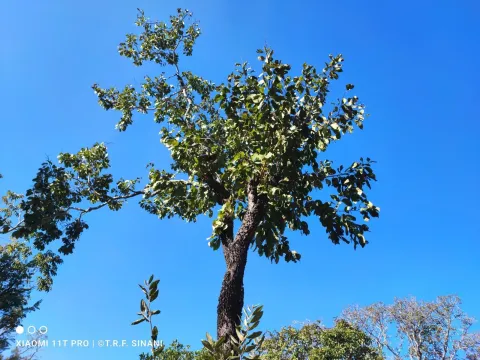
Peltogyne
Peltogyne
Peltogyne, commonly known as Purpleheart, belongs to the Fabaceae family and encompasses various species native to Central and South America. These trees are highly valued in forestry and woodworking for their dense, durable, and distinctively violet-colored heartwood.
What the section contains

Peltogyne
The tree thrives in the tropical rainforest biomes, requiring high humidity and consistently warm temperatures throughout the year. As a tropical species, it cannot withstand frost or significant temperature drops, which limits its cultivation to specific equatorial zones.
Soil requirements for Peltogyne are quite specific, demanding well-drained, acidic to neutral soil profiles. The root system is sensitive to waterlogging, necessitating careful site selection to ensure healthy growth and prevent root rot in plantation settings.
Botanically, these trees can grow to impressive heights, often surpassing 30 meters. As members of the pea family, they possess nitrogen-fixing capabilities, which are essential for their survival in the nutrient-leached soils commonly found in tropical environments.
The economic utilization of Peltogyne is centered on its timber, which is prized for its high density, rot resistance, and striking aesthetic. It is extensively used in high-end furniture crafting, heavy construction, and the production of specialized musical instruments.
Peltogyne plantations face significant challenges from pathogenic fungi that target vascular systems. Additionally, insect infestations by various types of wood-boring beetles present a constant risk to the integrity of both young saplings and mature timber trees.