


Reference · Crops
Pea
Pisum L.
Peas are considered a cool-season crop, as their seeds are capable of germinating in soil temperatures as low as +1°C to +2°C.
1
items
What the section contains
Marketplace
Products in this section · 12



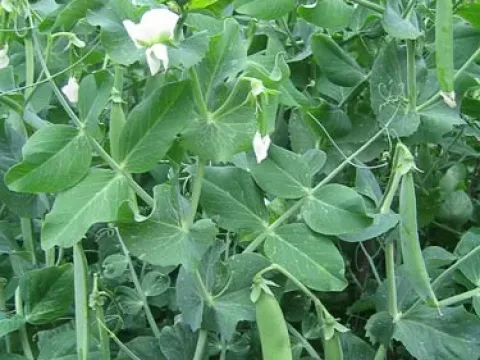
Pea
The ideal time for sowing usually occurs as soon as the soil is workable in early spring, typically when soil temperatures reach +5°C or higher.
Early planting is vital to allow the crop to establish a robust root system and to take advantage of available soil moisture before the onset of summer heat.
Depending on the variety, the recommended seeding rate typically ranges from 80 to 130 seeds per square meter to ensure an optimal stand density.
Uniform seed depth is crucial for even emergence, and seeds should generally be planted at a depth of 3 to 5 centimeters depending on soil moisture levels.
Peas, belonging to the Fabaceae family, thrive in well-drained, fertile soils with a neutral pH range between 6.0 and 7.5 for best results.
The plant is sensitive to waterlogged conditions, which can lead to root diseases and significantly hinder the development of nitrogen-fixing nodules.
Adequate soil moisture is particularly critical during the flowering and pod-filling stages, as drought stress during this time leads to flower drop and reduced yields.
As a legume, the pea plant enters a symbiotic relationship with Rhizobium bacteria, enabling it to convert atmospheric nitrogen into a form usable by the plant.
Peas are sensitive to high temperatures, which can negatively affect photosynthesis and cause rapid physiological maturation, shortening the grain filling period.
Yield potential for field peas varies significantly based on environmental conditions, soil fertility, and the choice of high-yielding, modern varieties.
Typical yields can range from 2.5 to 4.5 tons per hectare in well-managed commercial agricultural systems that prioritize moisture and nutrient management.
The use of balanced fertilizer programs, particularly those containing phosphorus and potassium, supports strong plant development and enhances seed quality.
Implementing crop rotation, where peas are grown after cereal crops, significantly improves soil health and helps reduce the pathogen load in the field.
Regular monitoring for pests and diseases, combined with timely intervention, is essential to protect the potential yield and ensure the economic viability of the crop.
Pea crops are susceptible to various fungal diseases, including Ascochyta blight, powdery mildew, and root rots, which thrive in humid conditions.
Pest pressures primarily include the pea weevil, pea aphid, and various lepidopteran larvae that can damage foliage or infest the developing seeds.
Integrated Pest Management (IPM) strategies, including the use of certified disease-free seeds and chemical seed treatments, are effective preventative measures.
Early-season scouting is necessary to detect aphid infestations before they reach economic threshold levels that would necessitate insecticide applications.
Maintaining a balanced field environment through proper weed control reduces habitat for pests and decreases competition for essential nutrients and sunlight.
Harvesting should be timed carefully when the moisture content of the seeds drops to approximately 16-18% to ensure stability during storage.
Direct combining is the standard method for harvesting, although it requires varieties that exhibit high resistance to lodging and shattering.
Delayed harvest increases the risk of losses due to pod shattering, especially in conditions where alternating wet and dry weather occurs.
Desiccation is often employed to dry down the crop uniformly, which simplifies harvesting operations and reduces the amount of green debris entering the combine.
Proper post-harvest handling, including cleaning and aeration, is necessary to maintain seed viability and prevent the growth of molds in stored grain.