
Warminster broom
Cytisus x praecox Bean
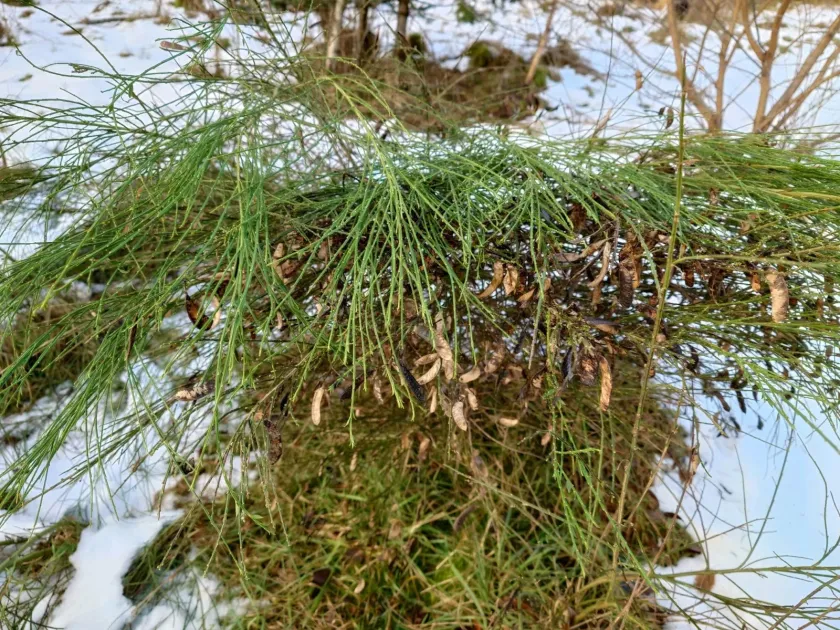
Description
Growing requirements
Warminster broom (Cytisus x praecox) is an attractive deciduous shrub from the Fabaceae family, renowned for its profuse, early spring blooms. It is a hybrid garden plant that forms a dense, cascading mound, reaching a height of approximately 1.5 meters.
This species requires full sun exposure to flourish and maintain its structural integrity. It is an ideal plant for borders or open spaces where it can receive maximum light, as shading often leads to sparse foliage and weak, elongated branches that lose their ornamental shape.
Regarding soil, the plant thrives in well-draining, sandy or gravelly soil types with acidic to neutral pH levels. It is critical to ensure excellent drainage, as the roots are highly susceptible to rot if they remain in saturated or waterlogged conditions for extended periods.
Agricultural management is relatively straightforward due to the plant's natural hardiness. Once established, the shrubs are notably drought-tolerant, requiring supplemental watering only during exceptionally dry spells or during the first year of growth.
The primary use of this culture is in ornamental landscaping. It works exceptionally well in rock gardens, as a standalone specimen plant, or for stabilizing dry slopes where other plants might struggle to thrive due to poor soil nutrient content.
Main diseases and pests
The shrub is occasionally affected by fungal issues such as powdery mildew or leaf spot diseases, especially in environments with poor air circulation or high humidity. Pruning to open up the canopy significantly helps in preventing these moisture-related health problems.
Insect pests, such as aphids, can attack the soft tips of new shoots during the spring growth flush. Regular inspection and the application of mild horticultural oils or soaps are effective non-toxic control methods for keeping pest populations under control.
The broom moth larvae are specific pests that can cause foliage damage by mining leaves. Early detection is crucial; if small white patches appear on the leaves, targeted treatment is required to prevent wider damage across the shrubbery.
Root rot caused by Phytophthora species remains the most significant threat, almost always linked to excessive moisture. To mitigate this risk, gardeners should always avoid planting in low-lying areas or heavy clay soils that retain water after rain.
Maintaining high plant vigor through proper site selection is the best defense against pests and diseases. A healthy Warminster broom in optimal soil will generally resist common pathogens and provide a stunning display year after year.