
Tagasaste
Cytisus proliferus L. f. var. proliferus
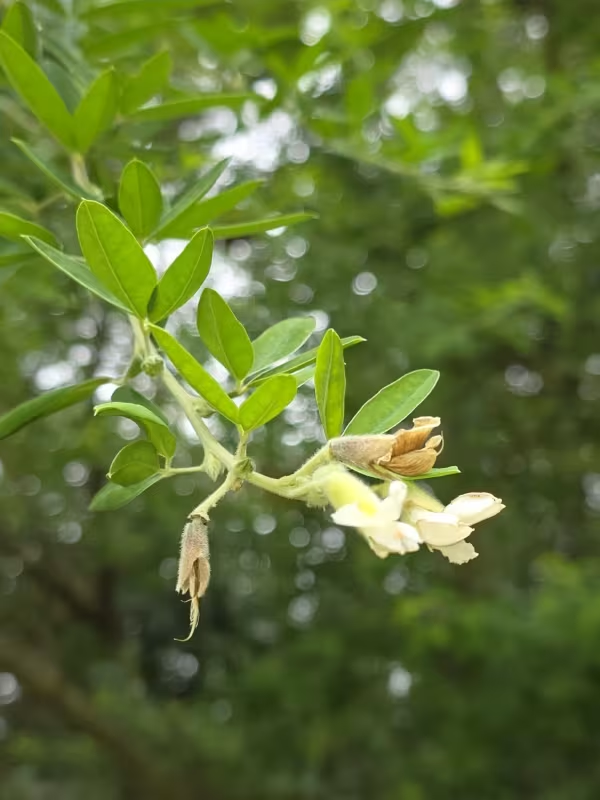
Description
Sowing dates
Seeds of tagasaste require scarification before sowing due to their hard seed coat, which significantly improves germination rates. The sowing process typically occurs in late winter or early spring, ensuring that young seedlings are not exposed to harsh frost conditions.
When transplanting seedlings into the field, maintaining proper spacing is essential for optimal crown development. This careful arrangement ensures that each plant has enough room to produce maximum foliage, which is the primary value of the crop in livestock feeding.
A nursery-raised approach is often preferred, allowing for better monitoring of young plants until they are robust enough for field establishment. Once moved, maintaining consistent soil moisture until the root system adapts is crucial for successful long-term growth.
Seeds are usually sown at a depth of 1 to 2 centimeters, with careful soil compaction to ensure proper contact with the substrate. Excessive moisture during the germination phase must be avoided to prevent fungal issues and ensure healthy root initiation.
Inoculating seeds with appropriate nitrogen-fixing bacteria is highly recommended, especially in nutrient-poor soils. This practice enhances the plant's ability to fix atmospheric nitrogen, leading to more vigorous early growth and better nutrient uptake.
Growing requirements
Tagasaste belongs to the legume family and is well-known for its ability to thrive on poor, volcanic, or stony soils where other forage crops struggle to survive. A key requirement is excellent drainage, as waterlogged conditions are highly detrimental to its root system.
The ideal climate for this crop is a moderate subtropical environment with mild winters and protection from extreme temperatures. It exhibits good drought tolerance due to its deep taproot system, which helps it access water from deeper soil horizons during the dry season.
Full sunlight is essential for productive photosynthesis and dense foliage development. Excessive shading leads to branch dieback in the lower parts of the plant and reduces the overall nutritional value of the harvested forage.
Soil pH preference ranges from neutral to slightly acidic. Highly calcareous or saline soils are typically unsuitable for tagasaste, as these conditions inhibit root development and can cause nutrient deficiency symptoms like chlorosis.
Temperature management is vital; while the plant can withstand light frost, prolonged exposure to freezing temperatures can cause damage to tender shoots. The most productive growth cycles occur within a temperature range of 15 to 25 degrees Celsius.
Yield
The yield of tagasaste is significantly influenced by regular pruning, which encourages the growth of fresh, protein-rich shoots. Consistent management allows for multiple cuttings per year, providing a steady supply of high-quality fodder for ruminants.
The plantation reaches its full productive potential by the second or third year after planting. The leaves and soft branches contain a high percentage of crude protein, making them an excellent supplementary feed for cattle, sheep, and goats.
Strategic pruning at a height of at least 50 centimeters from the ground helps maintain a manageable bush size while preventing the exhaustion of the plant's nutrient reserves. This practice also simplifies the harvesting process for farmers using mechanical or manual tools.
During the summer months, when most pasture grasses dry up, tagasaste remains green and continues to produce nutritious biomass. This makes it an invaluable asset for farmers looking to maintain livestock productivity during feed shortages.
When properly maintained, a tagasaste plant can provide reliable forage for many years. This longevity makes it a cost-effective and sustainable investment for farms aiming to integrate woody legumes into their existing grazing systems.
Main diseases and pests
Root rot is the most significant threat to tagasaste, often triggered by poor drainage or over-irrigation. This disease can spread rapidly throughout the root zone, leading to the sudden decline and death of the plants if not managed correctly.
Pests such as aphids and various leaf-eating larvae can damage young shoots and buds during the active growing season. Regular field monitoring is essential to detect pest activity before it causes widespread damage to the foliage quality.
Physical damage to the branches or bark, caused by extreme winds or wildlife, can provide entry points for secondary pathogens. Implementing regular sanitation practices, such as removing damaged material, helps minimize the risks of infection spreading.
Weeds can be a major challenge during the plant's establishment phase by competing for limited water and nutrients. Using mulch around the base of the bushes helps suppress weed growth and preserves vital soil moisture during the critical first year.
Integrated pest management is recommended for larger plantations to avoid the negative effects of harsh chemical inputs. Maintaining soil health and a balanced ecosystem within the plot is the best defense against long-term threats to the crop.