
Common broom
Cytisus scoparius (L.) Link
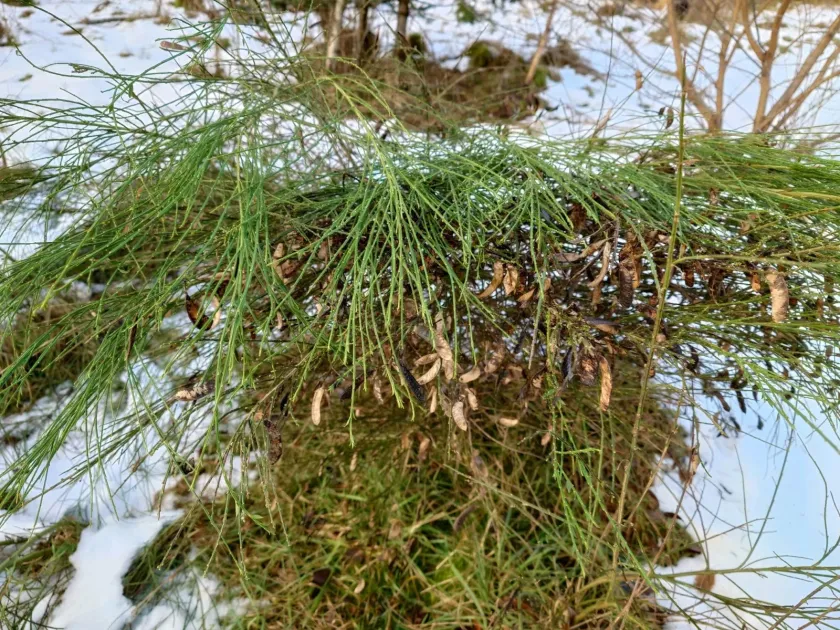
Description
Sowing dates
Common broom is typically propagated through seeds sown in spring. The seeds have a hard outer coating, so scarification or soaking in warm water for 24 hours is recommended to improve germination rates.
Sowing should be done in well-prepared, sunny seedbeds. The seeds are sown at a depth of approximately 1–2 centimeters, ensuring the soil remains moist but not waterlogged throughout the germination phase.
For large-scale cultivation or reclamation projects, seeds can be broadcast or drilled in rows. Spacing should be maintained to ensure that the young shrubs have enough space to develop their characteristic spreading root systems.
Weed management is critical during the first year of growth, as young seedlings are poor competitors. Frequent manual or mechanical weeding is necessary to ensure the plants get established.
Alternatively, softwood cuttings can be taken in late spring or early summer. This vegetative propagation method ensures the resulting plants are clones of the parent, which is preferred for uniform landscaping.
Growing requirements
Cytisus scoparius, commonly known as common broom, is a deciduous perennial shrub belonging to the Fabaceae family. It is renowned for its ability to thrive in challenging environments.
The plant prefers well-drained, acidic to neutral soils. It excels in sandy, rocky, or nutrient-poor substrates, as it is a nitrogen-fixing plant that enriches the soil through a symbiotic relationship with bacteria.
Full sun is essential for the healthy growth and abundant flowering of the broom shrub. It is relatively drought-tolerant once established but needs consistent moisture in the early stages of its development.
It is generally hardy, though it may require protection from harsh winds in colder climates to prevent dieback of the tender young stems.
Minimal fertilization is required; in fact, over-fertilizing with nitrogen can lead to excessive green growth and reduced flowering, making the plant more susceptible to winter damage.
Yield
The primary agricultural value of common broom lies in its role as a pioneer species for soil stabilization and environmental restoration on degraded lands.
It serves as a valuable nectar source for honeybees and other pollinators, contributing to biodiversity in the regions where it is cultivated. The broom shrub flowers profusely in late spring.
In traditional forestry, the woody branches were used for making brooms and as a source of fuel. Today, it is mostly prized for its ecological benefits and landscape value.
When used in soil conservation, the plant's deep, extensive root system binds the soil, preventing erosion on steep slopes and embankments where other crops would fail.
The aesthetic output of the crop is measured by the density and brightness of its yellow blooms, which are a major commercial asset for specialized shrub nurseries.
Main diseases and pests
Powdery mildew is a common fungal disease, especially in areas with poor airflow. Maintaining proper spacing and pruning helps to minimize the risk of infection.
Pests such as aphids and spider mites can infest the soft tips of the shrub. Early detection and the use of targeted treatments are crucial for maintaining the plant's health.
Root rot is a significant danger if the soil is too heavy or waterlogged. Proper site selection and soil amendment with grit or sand are necessary to prevent this condition.
During winter, bark damage from rodents can be a serious issue for younger plants. Protective barriers around the base of the shrub are recommended in areas with high wildlife activity.
Regular maintenance pruning after the flowering season keeps the plant vigorous and helps remove any damaged or diseased wood, promoting better overall resistance to threats.