
Centrolobium ochroxylum
Centrolobium ochroxylum
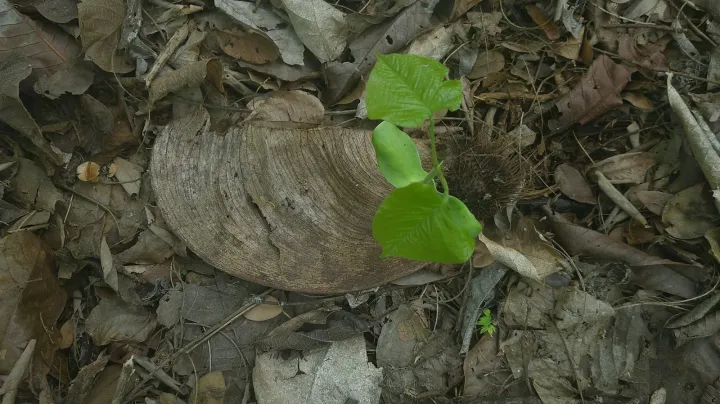
Description
Sowing dates
Propagation of Centrolobium ochroxylum is primarily achieved through seeds, which must be collected from mature, healthy mother trees to ensure genetic vigor. The timing of sowing is critical, typically aligning with the onset of the rainy season to guarantee moisture for germination.
Before sowing, the hard coat of the seeds requires mechanical scarification to allow water absorption. This process significantly shortens the germination period and increases the success rate of young saplings in the nursery environment.
Young plants should be raised in specialized containers with high-quality substrate. This controlled environment protects them from sudden weather fluctuations and allows for the development of a robust root system before transplanting.
Spacing during planting is a vital management strategy. Ensuring enough distance between individual trees promotes crown expansion and prevents competition for sunlight, which is necessary for uniform growth.
Early stage monitoring is essential to ensure that saplings are receiving adequate nutrients. The transition from the nursery to the field requires a period of gradual hardening to help the plants adapt to outdoor conditions.
Growing requirements
Belonging to the Fabaceae family, this species thrives in tropical regions with specific soil requirements. It prefers deep, well-drained, and nutrient-rich soils that prevent waterlogging, which the species cannot tolerate.
The ideal climate for this tree is characterized by distinct wet and dry seasons. It requires full exposure to sunlight to achieve the vertical growth rate and wood density characteristic of the species.
Average temperatures ranging between 24 and 32 degrees Celsius are optimal. While the species is adapted to tropical environments, it can tolerate temporary dry periods once the root system is well-established.
Soil pH should ideally be slightly acidic to neutral. In locations with heavy clay soils, amendments such as organic matter or sand are often added to improve drainage and aeration around the root zone.
Proper site preparation, including weeding and soil loosening, is necessary to provide the young trees with a head start. Maintaining a clear area around the base of the tree is a fundamental practice in the first few years.
Main diseases and pests
Fungal pathogens represent a significant threat to Centrolobium ochroxylum, particularly in humid or waterlogged conditions. Preventing moisture accumulation near the trunk is essential to keep the root system healthy.
Wood-boring insects are common pests that can compromise the structural integrity of the timber. Regular surveillance of the plantations helps in identifying and managing infestations before they become widespread.
Defoliating insects can occasionally affect the growth rate of young saplings. While mature trees are more resilient, early outbreaks must be addressed using environmentally safe pest control methods.
Weed competition is a major obstacle for young plantations, as aggressive species can quickly suppress the growth of the trees. Regular maintenance schedules for clearing undergrowth are necessary for survival.
Large mammals or local wildlife can occasionally cause damage by stripping bark. Installing perimeter fencing or using individual tree guards is a common protective measure in commercial forestry.
Harvesting
The tree is primarily cultivated for its high-value, durable timber, often referred to in trade as a form of yellow wood. The timber is prized for its strength, aesthetic appeal, and natural resistance to decay.
Harvesting is typically conducted after several decades of growth when the tree reaches commercial maturity. Sustainable harvesting practices are crucial to maintain the long-term viability of the plantations.
Post-harvest treatment involves proper kiln drying to prevent wood deformation and cracking. The high density of the wood requires specific cutting tools and professional processing techniques.
The wood finds extensive use in high-end furniture manufacturing, musical instruments, and specialized construction projects where durability and appearance are paramount factors.
Due to the high demand for this premium resource, managed plantations play a key role in preventing over-exploitation of native populations, providing a sustainable alternative to wild harvesting.