
Centrolobium paraense
Centrolobium paraense
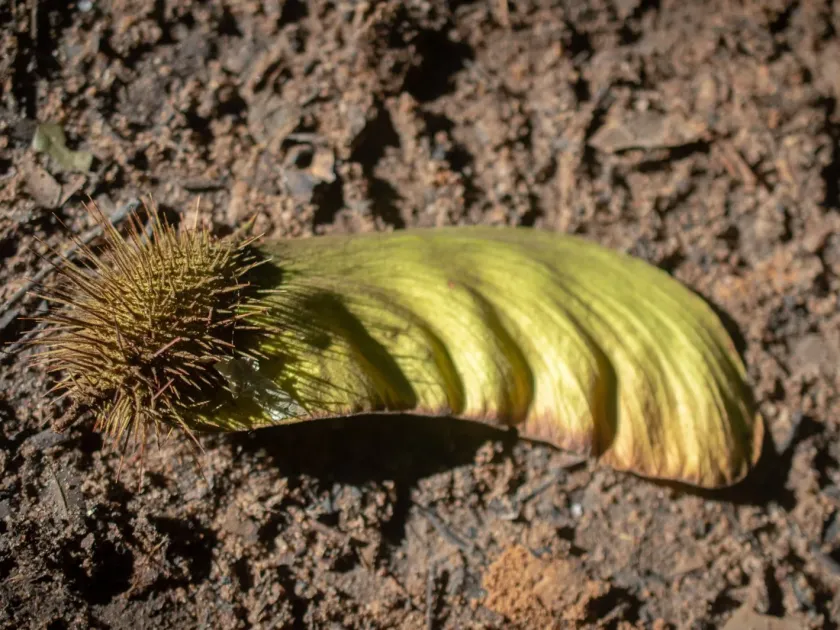
Description
Growing requirements
Centrolobium paraense is a significant tree species within the Fabaceae family, native to the tropical rainforests of South America, particularly in the Amazon basin. It is highly valued for its durable and aesthetically appealing timber.
The tree requires a humid tropical climate with minimal seasonal variation in temperature to thrive. Deep, nutrient-rich soils with excellent drainage are essential for the proper development of its root system and overall canopy growth.
During the seedling and sapling stages, the plant benefits from protection against direct heat and weed competition. As it matures, the tree requires significant access to sunlight to facilitate rapid biomass accumulation and maintain a healthy growth rate.
Cultivation practices involve carefully planned spacing between trees to ensure that each specimen has adequate access to nutrients and soil resources. Proper site selection is vital for ensuring longevity and wood quality.
Regular maintenance in forest plantations involves monitoring for local pests and ensuring that the soil maintains sufficient fertility, often through managed organic matter incorporation and moisture management.
Harvesting
The primary economic value of Centrolobium paraense is its timber, which is often marketed as a high-end decorative wood. The heartwood is known for its distinctive color and exceptional density, making it ideal for specialized woodworks.
Harvesting is typically conducted through sustainable selective logging practices. This ensures that the forest ecosystem remains intact while providing a steady supply of high-quality wood for the global furniture and construction markets.
Processing the timber requires professional drying techniques. Because of its hardness, the wood is kiln-dried slowly to prevent warping, cracking, or internal stress, ensuring the material remains stable for final manufacturing.
The wood's properties, including high resistance to decay and insects, make it a preferred choice for boat building, cabinet making, and fine musical instrument construction where durability and appearance are paramount.
Given the rising demand for exotic hardwoods, sustainable forest management strategies are increasingly implemented to preserve C. paraense populations while meeting industrial needs.