
Centrolobium tomentosum
Centrolobium tomentosum
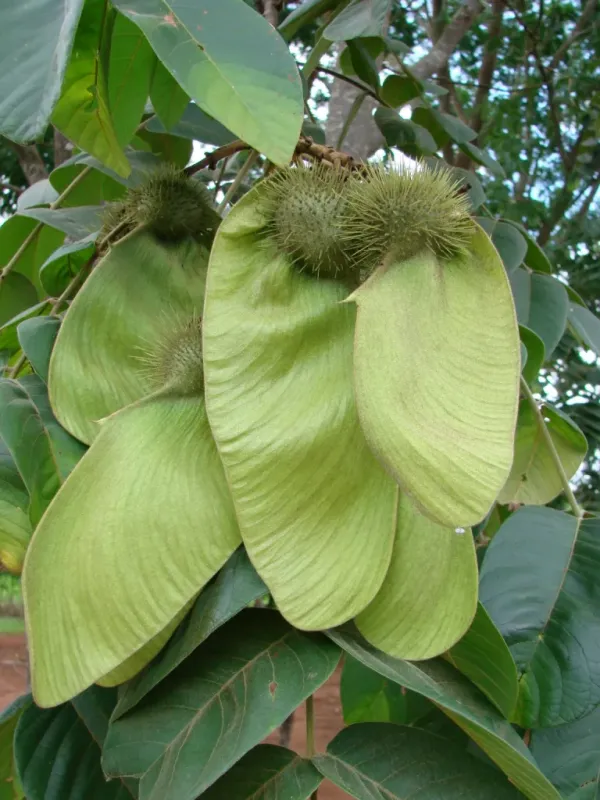
Description
Sowing dates
The propagation of Centrolobium tomentosum is primarily conducted through seeds. For optimal germination, seeds should be sown at the beginning of the rainy season to provide consistent moisture.
The nursery stage is crucial for ensuring healthy seedlings. Seeds are planted in well-drained, nutrient-rich soil media, and they typically germinate within two to four weeks under warm conditions.
Once seedlings have reached a height of 30-50 centimeters, they are ready for hardening off. This process involves gradually exposing them to full sun before transplanting them to the field.
Field planting requires careful site selection. Ensuring proper spacing of at least 5 meters between trees is essential to allow for crown development and to prevent the spread of diseases.
Initial post-planting care focuses on weed control. Using mulch around the base of the saplings helps retain moisture and prevents competition from grasses, which can otherwise stunt growth.
Growing requirements
Centrolobium tomentosum is a member of the Fabaceae (legume) family, native to the tropical forests of South America. It is highly valued for its dense, ornamental, and durable timber.
The tree thrives in deep, well-drained soils with good organic content. It is sensitive to waterlogging, so mountainous or sloped terrain with efficient natural drainage is preferred for plantations.
Sunlight is a critical requirement for this species. It is a heliophytic plant that needs full exposure to direct sunlight to ensure a straight and rapid growth of the main trunk.
Regarding climate, the species is strictly tropical and requires high average temperatures throughout the year. It does not tolerate frost, and even short exposure to cold can significantly damage the canopy.
Moderate to high rainfall is ideal, although the tree shows some tolerance to short dry spells once established. However, consistent water availability is key to achieving optimal wood quality.
Yield
The primary economic value of Centrolobium tomentosum lies in its high-quality timber. The wood is renowned for its attractive grain pattern and exceptional hardness, making it ideal for luxury furniture.
The rotation cycle for harvest typically ranges from 30 to 50 years. Careful silvicultural management, including pruning, is necessary to produce long, straight boles free of knots and defects.
Secondary uses include reforestation and carbon sequestration projects. Because it is a leguminous species, it can also contribute to soil nitrogen levels, benefiting the surrounding ecosystem.
The demand for this exotic wood in the international market remains high. Sustainable plantation management is essential to ensure a continuous supply without depleting wild forest populations.
Wood processing waste, such as chips and sawdust, can be utilized in the production of high-quality engineered boards, ensuring that the entire harvested tree is used efficiently.
Main diseases and pests
Root rot caused by soil-borne pathogens is a common threat in nurseries. Strict adherence to sanitation protocols and the use of sterile growing media are effective preventative measures.
Adult trees may be targeted by wood-boring beetles. These insects can cause significant structural damage to the trunk, lowering the value of the timber and providing entry points for fungi.
Defoliating insects can cause major losses in biomass if left uncontrolled. Integrated pest management programs, including biological control agents, are often employed in large-scale plantations.
Fungal leaf diseases, such as anthracnose, may occur during periods of extreme humidity. Regular inspections allow for early detection and targeted treatment before the infection becomes severe.
- Wood-boring beetles
- Root fungal pathogens
- Leaf-spotting fungi
- Competition from invasive weeds