
Albizia zygia
Albizia zygia
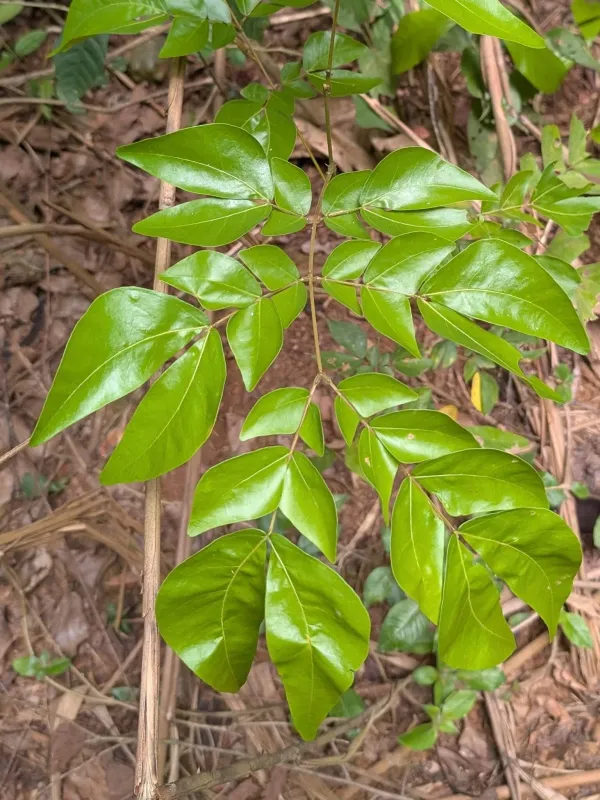
Description
Growing requirements
Albizia zygia is a prominent tree species belonging to the Fabaceae family, native to the tropical forests and savannahs of West and Central Africa. Known for its rapid growth rate and umbrella-shaped canopy, it is a vital component of local ecosystems and sustainable forestry management systems.
The tree thrives in tropical environments characterized by high annual rainfall and consistent temperatures. It is intolerant of frost, requiring a climate where ambient temperatures remain above 20 degrees Celsius throughout the year to support active biomass production and healthy physiological development.
When choosing a planting site, it is crucial to ensure deep, well-drained soils that allow for extensive root system development. While the species is capable of surviving on various soil types due to its nitrogen-fixing capabilities, it performs best on loamy substrates with adequate moisture retention capacity.
Cultivation practices involve establishing nurseries to produce healthy seedlings before transplanting them into the field during the rainy season. Maintenance during the establishment phase is essential, requiring regular weeding and the protection of young stems from mechanical damage by local wildlife or farm equipment.
Economically, Albizia zygia is highly valued for its durable and aesthetically pleasing timber, which is utilized extensively in furniture manufacturing and construction. Furthermore, it serves as an excellent shade-providing tree in agroforestry systems, where it supports the growth of shade-tolerant cash crops.
Main diseases and pests
Pest pressure from stem-boring insects is a primary concern for foresters, as these larvae can significantly decrease the market value of the harvested timber. Effective control strategies include maintaining optimal spacing between trees and ensuring vigorous growth, which helps the tree resist infestation.
Fungal pathogens causing root rot can threaten the health of the stand, particularly in areas with poor drainage or stagnant water conditions. To mitigate these risks, site selection should prioritize land with natural slopes or installed drainage, and periodic inspections should be conducted to monitor crown vigor.