
Albizia versicolor
Albizia versicolor
Description
Growing requirements
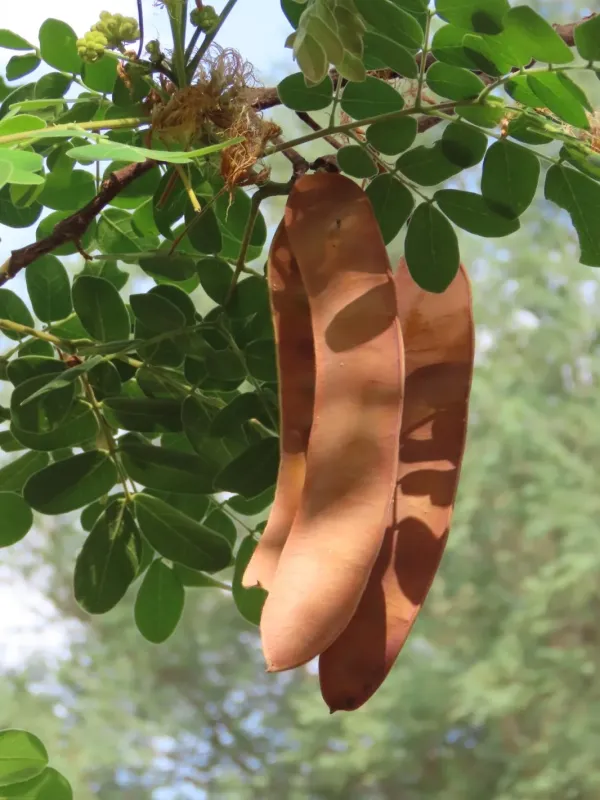
Albizia versicolor is a deciduous tree belonging to the Fabaceae family, widely recognized for its robust growth in tropical savannahs and woodlands. The tree typically reaches a height of 15 to 20 meters, featuring a wide-spreading canopy and pinnate leaves that exhibit nyctinasty.
The species is native to tropical Africa and thrives in environments characterized by high temperatures and distinct wet and dry seasons. It is highly intolerant to freezing temperatures, making it suitable only for cultivation in tropical and warm subtropical climates.
Regarding soil requirements, Albizia versicolor prefers deep, well-drained loamy soils. One of its most significant agricultural benefits is its ability to fix atmospheric nitrogen through symbiosis with root nodules, which helps maintain soil fertility in natural and managed ecosystems.
Proper water management is essential during the establishment phase, though the tree exhibits notable drought tolerance once the root system is fully developed. Preventing waterlogging is critical, as stagnant water can severely impact tree health and root oxygenation.
In terms of economic value, the tree is highly prized for its timber. The wood is characterized by a rich, reddish-brown color, fine grain, and good workability, making it an excellent choice for high-quality furniture, interior finishes, and various structural applications in local markets.
Main diseases and pests
The primary health threats for Albizia versicolor include fungal infections of the root system, often exacerbated by poor soil drainage. These pathogens can cause wilting, reduced foliage density, and eventual mortality if not addressed through soil remediation and drainage improvement.
Insect pests, particularly borers and wood-boring beetles, represent a significant risk to tree structural integrity. These pests tunnel into the trunk and branches, compromising the tree's ability to transport nutrients and water, often leaving the plant susceptible to secondary infections.
Managing these threats requires a systematic approach, including the removal of dead or infested branches and the application of targeted insecticides where necessary. Biological controls, such as encouraging natural predators, can also mitigate pest outbreaks in sustainable plantations.
Foliar pathogens, including mildews and rusts, can occur during periods of prolonged humidity. Adequate spacing during plantation establishment is essential to allow for airflow, which significantly reduces the incidence of such diseases by lowering moisture levels within the canopy.
Maintaining high hygiene standards in the field, such as the safe disposal of infected wood, prevents the spread of spores and pests to healthy trees. Regular monitoring is essential to detect early signs of infestation and to apply corrective measures before widespread damage occurs.