
Albizia thompsonii
Albizia thompsonii
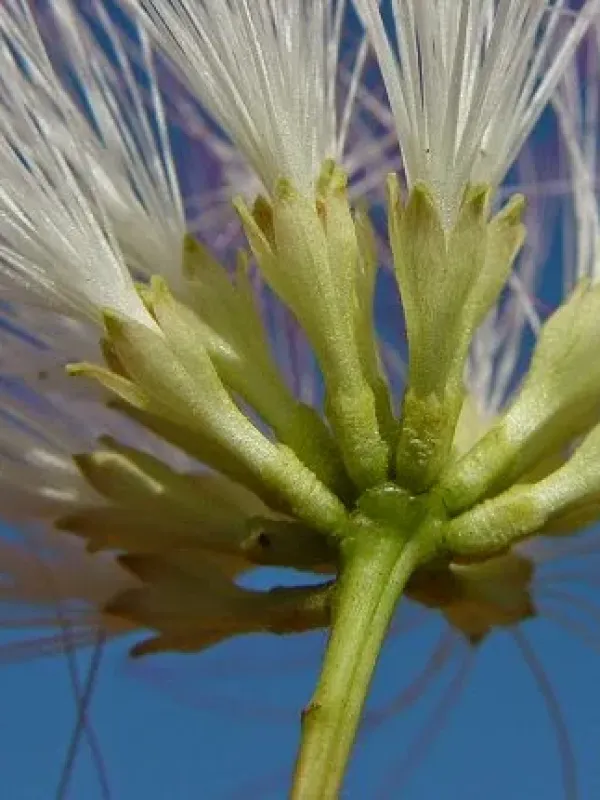
Description
Growing requirements
Albizia thompsonii is a notable member of the Fabaceae (legume) family, distinguished by its elegant habit and fern-like foliage. It is widely recognized in horticultural circles for its aesthetic appeal and its utility in creating shaded garden spaces.
Originating from tropical and subtropical regions, this tree thrives in environments characterized by high light intensity and warm temperatures. For successful cultivation, it is essential to position the tree in a location that receives full sun for the majority of the day.
The species requires well-drained, fertile soil to ensure optimal growth and vigor. Sandy loams are considered ideal, provided they are not prone to compaction. Proper drainage is paramount, as the species is highly susceptible to root decay when exposed to waterlogged conditions for extended periods.
Climatic requirements involve moderate heat and stable moisture levels during the active growth season. While mature specimens demonstrate a degree of drought tolerance, consistent watering is recommended during the establishment phase to support healthy root development.
In terms of economic and practical use, Albizia thompsonii serves as a vital component in urban forestry and landscape architecture. Its ability to fix nitrogen in the soil adds an ecological dimension, contributing to the fertility of the surrounding landscape over time.
Main diseases and pests
Fungal pathogens, particularly those causing root rots, represent the most significant threat to Albizia thompsonii. These conditions are typically exacerbated by improper watering regimes and poor soil drainage, necessitating careful site selection before planting.
Insect pests such as spider mites and mealybugs can pose challenges, especially in environments where air circulation is restricted or humidity is exceptionally low. These pests often target younger, tender growth, potentially causing foliage discoloration or leaf drop.
Integrated pest management strategies should be employed to mitigate these threats effectively. This includes regular scouting for symptoms, cleaning of the tree structure, and targeted applications of pesticides if necessary to keep pest populations below the injury threshold.
Sanitation practices play a crucial role in preventing disease outbreaks. Prompt removal of dead or decaying wood prevents the spread of opportunistic fungi and maintains the overall health and vigor of the tree structure throughout its lifespan.
By strictly adhering to sound agronomic practices, growers can maintain the health of Albizia thompsonii successfully. Its natural resilience, combined with preventative care, makes it a valuable and manageable asset for both public and private green spaces.