
Albizia umbrosa
Albizia umbrosa
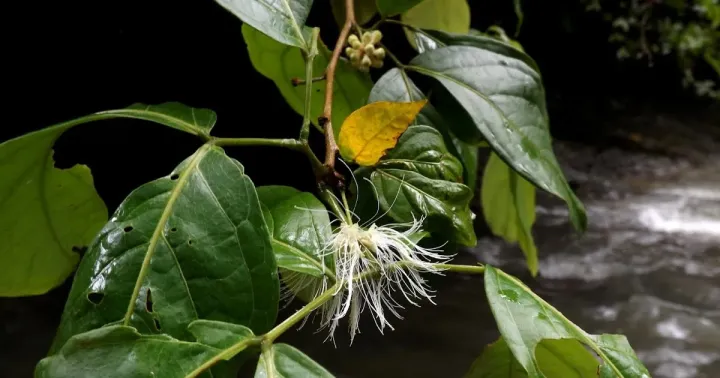
Description
Growing requirements
Albizia umbrosa is a large, fast-growing tree belonging to the Fabaceae family. It is widely recognized for its wide, spreading canopy, which makes it an ideal choice for shade-providing purposes in tropical agricultural landscapes.
This species originates from warm, humid tropical climates. It thrives best in regions where temperatures remain consistently high throughout the year and rainfall is abundant, as it is highly sensitive to cold and frost.
Regarding soil requirements, Albizia umbrosa prefers deep, well-drained, and nutrient-rich soils. While it can adapt to various soil types, maintaining good aeration and preventing waterlogging is essential for the healthy development of its root system.
As a legume, the tree plays a vital role in nitrogen fixation. By forming symbiotic relationships with soil bacteria, it actively improves soil fertility, benefiting neighboring crops when used in integrated agroforestry setups.
Cultivation practices involve regular monitoring of the canopy structure and ensuring sufficient space for individual trees to expand. Proper management of these trees can significantly boost the overall yield of associated understory crops like coffee or cocoa.
Main diseases and pests
The primary threats to Albizia umbrosa include defoliating insects that can significantly reduce the tree's photosynthetic capacity. Prompt monitoring and integrated pest management are necessary to control these infestations before they become widespread.
Fungal infections, such as leaf spot and root rot, are common in environments with poor air circulation or waterlogged soil. Maintaining proper spacing and ensuring adequate soil drainage are the most effective cultural practices to prevent these plant diseases.