
Alexa imperatricis
Alexa imperatricis
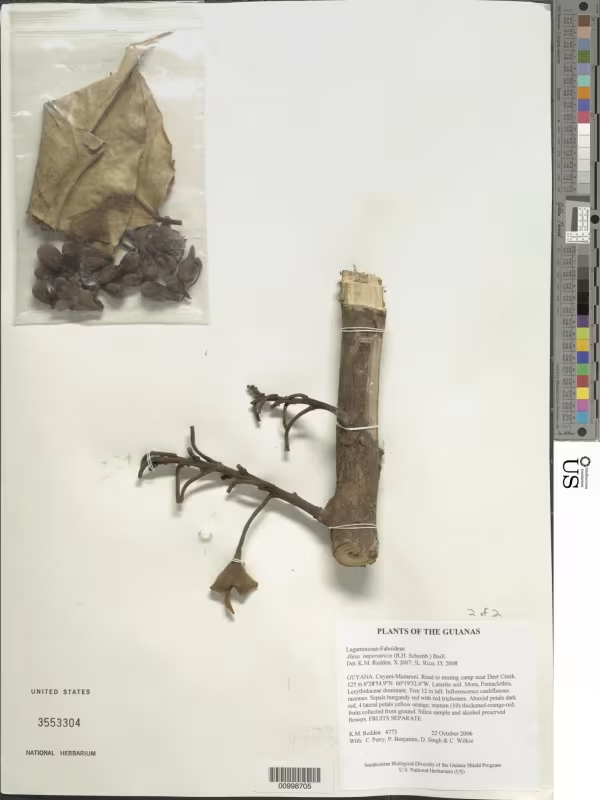
Description
Growing requirements
Alexa imperatricis is a distinguished member of the Fabaceae family, recognized for its impressive stature within its native tropical rainforest habitats in South America, specifically Guyana.
This species thrives in high-temperature environments where the climate remains consistently warm throughout the year, as it lacks any physiological mechanism to survive cold or freezing conditions.
The preferred soil conditions for this culture involve deep, nutrient-rich substrates with excellent drainage, preventing any form of waterlogging that could lead to root rot.
In terms of light requirements, the plant prefers dappled sunlight conditions similar to the forest canopy's middle layer, as direct, intense tropical sun can damage its sensitive foliage.
Botanically, it exhibits characteristic features of the Alexa genus, including complex leaf structures and specialized reproductive organs that contribute to the biodiversity of the local ecosystem.
Main diseases and pests
The plant is susceptible to various tropical insect pests, particularly those that feed on young, succulent leaves, which can severely hinder the plant's photosynthetic capacity.
Root diseases caused by soil-borne pathogens are a primary threat, especially in environments where humidity is excessively high and drainage systems are inadequate.
Boring insects represent a significant risk to the integrity of the tree trunk, often introducing secondary fungal infections that weaken the structural support of the tree.
Root-knot nematodes can interfere with the nutrient uptake of the plant, leading to stunted growth and increased vulnerability to environmental stress factors.
The overall conservation status and limited natural range make the species sensitive to environmental degradation, emphasizing the importance of monitoring in cultivated settings.