
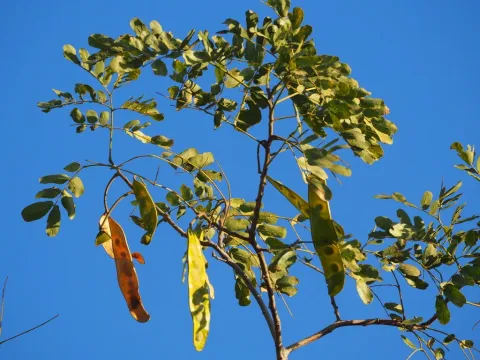
Albizia
Albizia
Albizia is a genus of deciduous trees and shrubs belonging to the Fabaceae family. Known for their fern-like foliage and spectacular, silky flower clusters, these plants are highly valued in both ornamental horticulture and forestry projects across warm regions.
What the section contains


Albizia
The cultural success of Albizia depends primarily on its temperature requirements. As a heat-loving plant, it thrives in climates with long, warm summers, although some species can tolerate light frosts once they have reached maturity.
Optimal growth conditions involve full sun exposure and well-drained, fertile soil. The plant is particularly sensitive to waterlogged ground; therefore, site selection must prioritize excellent drainage to avoid root rot issues.
Standard agricultural practices for this crop include consistent irrigation during the establishment phase, coupled with light mulching to maintain soil moisture. Once established, the root system is highly capable of sustaining the plant through moderate drought.
As a member of the legume family, Albizia is capable of biological nitrogen fixation. This allows the plant to thrive in nutrient-poor soils while simultaneously enhancing the soil structure, making it a valuable candidate for reforestation and land reclamation.
The economic utility of Albizia is diverse, ranging from its primary role as a premier ornamental tree in landscaping to its potential as a source of high-quality timber for furniture production due to its aesthetic grain.
Beyond its visual appeal, the tree serves as an excellent source for apiculture. Its prolific blooming season makes it a significant honey plant, producing high-quality nectar that translates into a unique and flavorful honey.
Pharmaceutical interest in Albizia has increased, with research focusing on its potential sedative and anxiolytic properties. Extracts from the bark and blossoms are often studied for their bioactive compound concentrations.
In various agroforestry systems, the foliage of certain Albizia species serves as a high-protein fodder supplement for livestock, demonstrating the plant's dual-purpose utility within a diversified farm environment.
The rapid growth rate of the tree allows for sustainable harvesting in managed woodlots, providing a steady supply of biomass that can be utilized for various industrial purposes, including pulp production.
The primary threats to Albizia health include pests such as spider mites and mealybugs. These infestations are most prevalent during periods of low humidity and high temperatures, which can severely stress the plant.
Fungal pathogens represent the most significant disease risk, particularly fusarium wilt and various forms of root rot. These are almost exclusively associated with improper watering habits or heavy, compact soils that retain moisture.
Integrated Pest Management (IPM) is essential for maintaining a healthy stand of trees. This includes promoting beneficial predator insects and using targeted, environmentally safe pesticides only when absolutely necessary.
Sanitary pruning is a critical component of disease prevention. By removing dead or diseased limbs, growers improve airflow within the canopy, which effectively reduces the humidity levels that favor fungal spore development.
Long-term health is also impacted by proper fertilization practices. Avoiding excessive nitrogen application prevents soft, succulent growth that is disproportionately prone to winter damage and pest colonization.