
Persian silk tree
Albizia julibrissin Durazz.
Description
Growing requirements
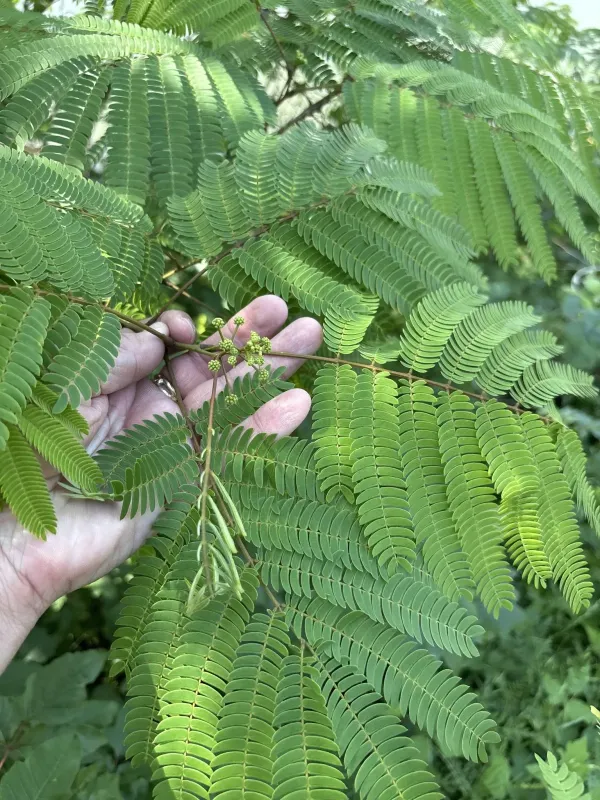
The Persian silk tree (Albizia julibrissin) is a deciduous species within the Fabaceae family. It is highly valued for its feathery foliage and unique, pink silk-like flower tassels that bloom throughout the warm summer months.
Native to Western and Eastern Asia, this species thrives in climates with hot summers. It requires full sun exposure to reach its maximum aesthetic potential, as insufficient light will result in sparse flowering and a lack of structural vigor.
The tree adapts well to various soil types, ranging from sandy to loamy, provided they offer excellent drainage. It is moderately drought-tolerant once established, although deep watering during prolonged dry spells significantly enhances growth rates and leaf color.
Cultural practices involve minimal intervention, focusing primarily on structural pruning during late winter. It is essential to remove damaged or crossing branches to maintain a clean, open canopy, which promotes better air circulation and prevents pathogen buildup.
Beyond its ornamental use, the tree is recognized for its nitrogen-fixing capabilities, common in many Fabaceae members. This biological feature helps improve soil fertility in areas where the tree is cultivated, making it a sustainable choice for certain landscaping projects.
Main diseases and pests
Fusarium wilt is the most significant disease affecting Albizia julibrissin. This fungal pathogen infects the vascular system, causing leaves to yellow and wilt suddenly. The disease is often soil-borne and can remain latent before manifesting under stress.
Common insect pests include webworms and spider mites, which can cause severe defoliation. These pests are particularly active during dry, hot periods. Management strategies include regular inspection of the underside of leaves and the application of horticultural oils or insecticides when necessary.
Root rot is another major threat, usually resulting from poor soil drainage or excessive irrigation. Avoiding waterlogged conditions is critical, as root system health is the primary factor in the tree's overall resistance to environmental and biological stressors.
In certain regions, borers may attack the trunk of stressed trees. Maintaining tree vigor through proper fertilization and watering is the best form of preventative care. Infected wood should be pruned and destroyed immediately to prevent the spread of infestations.
Sanitation plays a vital role in pest and disease prevention. Removing leaf litter and pruning residues reduces the overwintering sites for many harmful insects and pathogens, thereby maintaining a healthier growing environment for the silk trees.