
Albizia adianthifolia
Albizia adianthifolia
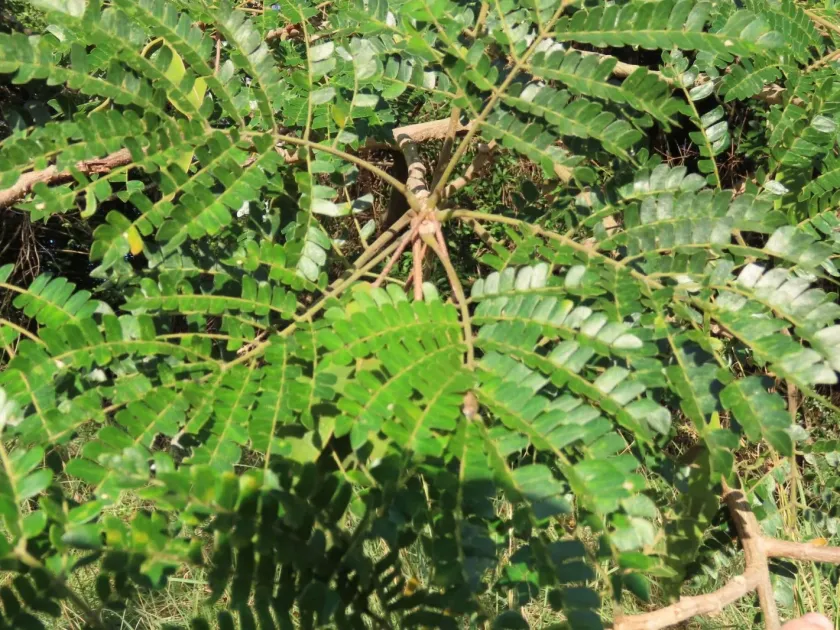
Description
Sowing dates
The propagation of Albizia adianthifolia begins with the collection of mature pods, which should be harvested once they turn brown. Seeds must be scarified to break their hard coat, which significantly improves the germination rate and ensures uniform development of seedlings.
Sowing should ideally occur at the onset of the rainy season to provide the young plants with consistent moisture. Seeds are sown in well-drained soil at a shallow depth to facilitate quick emergence.
Temperature requirements for optimal germination are strictly between 25 and 30 degrees Celsius. Maintaining consistent soil moisture during the first few weeks is crucial to ensure the survival of young, delicate root systems.
Nursery management involves growing the seedlings in containers until they reach a height of approximately 30 to 50 centimeters. This stage ensures the saplings have sufficient vigor to survive after transplanting into the field.
Direct seeding in the field is also possible for reforestation projects, provided that weed control is managed strictly during the first year of the tree’s life to prevent suppression of growth.
Growing requirements
Albizia adianthifolia is a member of the Fabaceae family, native to African tropical and subtropical regions. It is highly valued for its ability to thrive in diverse environments, ranging from moist forests to open woodlands.
The tree prefers deep, fertile, and well-drained soils. Its ability to fix atmospheric nitrogen via symbiotic bacteria makes it an excellent choice for soil restoration and improving the fertility of nutrient-depleted agricultural land.
Sunlight is a key requirement for the vigorous growth of this species. While it can tolerate partial shade when young, mature trees perform best when exposed to full sunlight, which promotes a wide, spreading crown.
Although it is relatively drought-tolerant once established, productivity is maximized when the tree receives moderate annual rainfall. It acts as a resilient buffer against dry weather conditions in agroforestry settings.
Management practices include pruning lower branches to encourage height and straight bole development if the trees are intended for timber production. This also prevents excessive shade competition with intercropped plants.
Yield
The agricultural value of Albizia adianthifolia lies primarily in its biomass production. The leaf litter is rich in nitrogen and organic matter, making it a perfect component for green manure to enhance soil quality.
Timber from this species is used for light construction, tool handles, and furniture. It is moderately durable and easy to work with, providing a sustainable income source for rural farmers engaged in forest management.
The leaves are a valuable source of fodder for livestock, containing a good percentage of crude protein. This is especially important for maintaining herd health during the drier seasons when traditional grazing areas are limited.
In agroforestry systems, the tree is frequently used as a canopy shade for crops like coffee and cocoa. This helps stabilize the environment and protects these sensitive plants from extreme heat and high wind speeds.
Various parts of the tree, including the bark, are harvested for medicinal purposes, showcasing the multipurpose nature of this species in traditional and modern sustainable land-use systems.
Main diseases and pests
Defoliating insects, particularly lepidopteran larvae, represent the most common threat to Albizia adianthifolia. Regular monitoring of the foliage is necessary to detect outbreaks early and prevent significant growth inhibition.
Fungal pathogens such as leaf spot can occur if planting density is too high or if air circulation is poor. Proper spacing and thinning of stands are essential practices for maintaining a healthy plantation.
Termites can cause significant damage to young stems and roots, particularly in areas with high pest pressure. Preventive soil treatments are often recommended for newly established stands in tropical nurseries.
Root rot caused by poor drainage can become a serious problem in heavy or waterlogged soils. Ensuring that the site has a natural slope or installing drainage channels can effectively mitigate this risk.
Integrated pest management strategies focusing on promoting natural predators and maintaining healthy tree vigor are the most effective ways to manage threats without relying on heavy chemical interventions.