
Albizia anthelminthica
Albizia anthelminthica
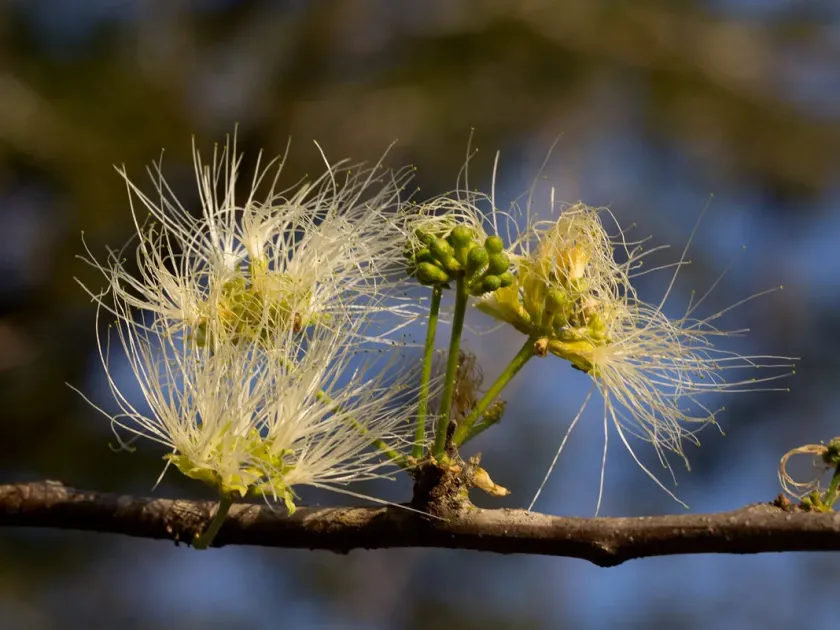
Description
Growing requirements
Albizia anthelminthica is a significant leguminous tree native to the arid and semi-arid regions of Eastern and Southern Africa. It belongs to the Fabaceae family and is well-adapted to savanna environments characterized by high solar radiation.
The species thrives in well-drained sandy or loamy soils. It displays remarkable drought tolerance, making it an excellent candidate for cultivation in regions where water availability is the primary limiting factor for agricultural productivity.
The plant requires full sun exposure for optimal growth and development. It is highly sensitive to waterlogged conditions, so choosing a site with an effective drainage system is essential to prevent root rot and ensure long-term health.
Temperature requirements are consistent with tropical and subtropical climates, typically ranging between 20°C and 30°C. While mature trees are quite hardy, young seedlings require protection against cold stress during their establishment phase.
Agronomic management involves minimal intervention, provided the environmental conditions match the native habitat. The plant's ability to fix atmospheric nitrogen contributes to soil fertility, enhancing the quality of the surrounding agricultural land.
Harvesting
The primary economic interest in Albizia anthelminthica lies in its medicinal bark, which contains phytochemicals with established anthelmintic effects. Harvesting must be conducted sustainably to ensure the tree continues to thrive after the bark is removed.
The harvest is best performed during the dry season, followed by a controlled drying process in shaded, well-ventilated areas. This method preserves the chemical integrity of the active ingredients, ensuring a high-quality product for veterinary or medicinal use.
Beyond its pharmaceutical value, the tree serves as a critical source of fodder. In pastoral regions, its leaves are harvested or browsed by livestock, providing essential nutrients when grass supplies are scarce during the dry season.
Processing involves drying and grinding the bark into a powder. Care must be taken during the storage phase to maintain a low-moisture environment, which is vital for preventing the growth of fungi and degradation of medicinal compounds.
Furthermore, the tree is often utilized in agroforestry systems to provide shade for crops and animals. Its resilient nature and utility as both a source of medicine and fodder underscore its value as a multi-purpose crop in arid ecosystems.