
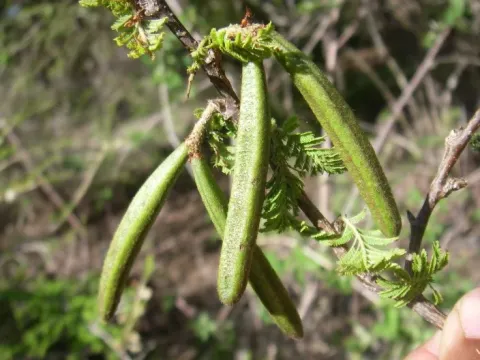
Alantsilodendron
Alantsilodendron
Alantsilodendron is a genus of flowering plants within the legume family (Fabaceae), native exclusively to the island of Madagascar.
What the section contains
Alantsilodendron
The cultivation of this plant requires a humid tropical climate, characterized by consistently warm temperatures throughout the year.
These plants thrive in fertile, well-draining soils that are rich in organic matter, reflecting their native forest environment.
In their natural habitat, they often grow under the forest canopy, indicating a preference for filtered light rather than direct, harsh sunlight.
Consistent soil moisture is essential for development, but the root system is highly susceptible to rot if waterlogging occurs for extended periods.
The primary threat to Alantsilodendron species is the ongoing habitat destruction caused by deforestation and land-use changes in Madagascar.
Tropical insect pests often feed on the leaves and young shoots of the plant, potentially stunting growth if left unmanaged.
Fungal pathogens represent a significant risk, particularly in high-humidity cultivation settings where air circulation is restricted.
Climate instability, including unpredictable rainfall patterns, poses a challenge to the long-term survival of both wild and cultivated populations.
Wood-boring insects are known to attack the stems, weakening the structural integrity of the trees and allowing further decay by opportunistic fungi.