
Albizia gummifera
Albizia gummifera (J. F. Gmel.) C. A. Sm.
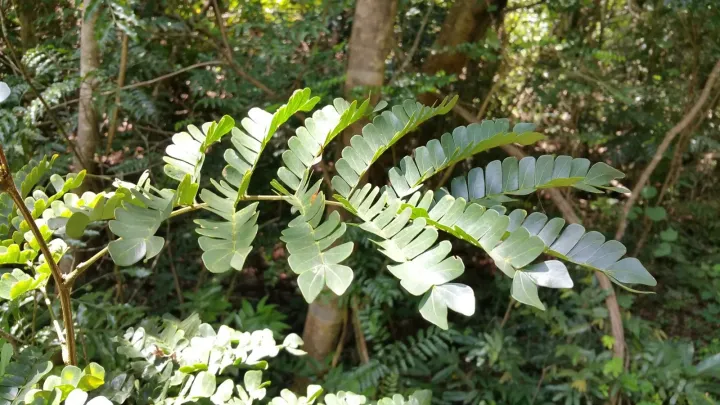
Description
Sowing dates
Propagation of Albizia gummifera is primarily achieved through seeds, which require scarification due to their hard, impermeable seed coats. Soaking in hot water or mechanical filing significantly improves germination rates.
Sowing in nursery conditions should coincide with the onset of the rainy season to ensure young seedlings receive consistent moisture. Seeds are typically planted at a depth of 1 to 2 cm in a well-drained, fertile soil medium.
Young seedlings require partial shade during their early development stages. As the plants mature, they are gradually acclimated to full sun exposure, which prepares them for successful transplanting into their permanent field location.
Spacing during planting is determined by the specific land-use objectives. For windbreaks or agroforestry hedges, a spacing of 2 to 3 meters is recommended to promote uniform growth while minimizing competition for resources.
In direct seeding scenarios, preparing the soil by clearing debris and ensuring adequate soil contact is crucial. Proper management of the planting site during the first year is essential to prevent weed encroachment.
Growing requirements
Albizia gummifera thrives in tropical and subtropical climates, preferring regions with a distinct wet season. It is a light-demanding species that struggles to grow efficiently in heavily shaded environments.
The tree prefers deep, fertile, and well-drained soils. While it exhibits some tolerance for a range of soil types, it performs best in soils with good organic matter content, which supports its rapid development.
One of the most notable characteristics of this species is its nitrogen-fixing capability through symbiotic relationships with Rhizobium bacteria. This biological trait allows the tree to enrich the soil, making it a valuable component in sustainable agriculture.
Optimal temperature for growth ranges between 20 and 30 degrees Celsius. The species is highly sensitive to frost, which defines its geographical distribution and suitability for cultivation in non-temperate zones.
Water requirements are moderate; however, the tree requires consistent rainfall during the establishment phase. Once mature, it develops a deep root system that increases its resilience to short-term drought conditions.
Yield
The primary economic output of this tree is its medium-density timber, which is valued for furniture, joinery, and construction. Fast growth rates make it a preferred species for short-rotation forestry in tropical regions.
Beyond timber, Albizia gummifera provides significant biomass. Regularly pruned branches can be utilized as green manure or mulch, which helps recycle nutrients and improves soil fertility for adjacent crops.
In agroforestry systems, the tree acts as a canopy layer for shade-loving crops such as coffee or cocoa. By regulating the light intensity and moderating ground temperatures, it contributes indirectly to higher crop yields.
The gum produced by the tree is a secondary product used in local crafts and medicinal applications. While not a major commercial commodity, it adds value to the integrated management of the tree.
Overall, the economic yield is characterized by a balance between direct timber harvesting and the long-term ecological benefits provided to the agricultural farm ecosystem.
Main diseases and pests
Seedlings in nurseries are vulnerable to damping-off diseases caused by fungi such as Fusarium and Rhizoctonia, especially in conditions of poor ventilation and excessive moisture. Proper hygiene is vital to mitigate these risks.
Leaf-feeding insects may cause aesthetic and physiological stress. While healthy, mature trees typically tolerate such damage, severe infestations during the establishment phase may necessitate targeted management strategies.
Fungal leaf spots can occur in humid environments with poor air circulation. Regular monitoring and the removal of infected plant material are standard cultural practices to prevent the spread of localized pathogens.
Parasitic plants and climbers can sometimes affect the canopy of the trees. Proactive maintenance, including pruning and clearing surrounding weeds, ensures the tree maintains its vigor and photosynthetic capacity.
In general, the species is remarkably robust and displays a strong innate resistance to major pests. By maintaining optimal planting distances and providing a healthy growth environment, the reliance on chemical inputs is kept to a minimum.