
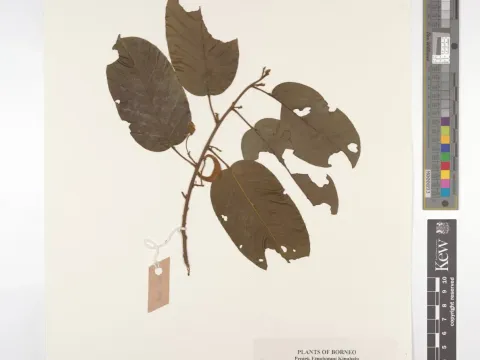
Airyantha
Airyantha
Airyantha is a genus of flowering plants belonging to the family Fabaceae. These plants are typically found in tropical environments, primarily in Africa, where they grow as woody shrubs or small trees within diverse forest ecosystems.
What the section contains
Airyantha
Cultivation of Airyantha requires strict adherence to tropical conditions. Seeds possess a hard, impermeable seed coat, which typically necessitates scarification to improve water absorption and break dormancy before planting.
The sowing process should be performed in a well-aerated, sterile medium to prevent damping-off disease. Maintaining a consistent soil temperature of approximately 25-28 degrees Celsius is essential for germination.
Once seedlings emerge, they require filtered sunlight to establish strong stems. Avoiding sudden environmental changes is crucial, as the young plants are sensitive to fluctuations in light and heat intensity.
Spacing is another important factor for seedlings in nursery conditions. Proper air circulation between young plants helps in reducing the humidity-related stress that often impacts tropical species.
Airyantha requires a year-round warm climate. It does not possess any frost tolerance, and even short exposure to cold can lead to cellular damage and the subsequent decline of the plant.
Light requirements are centered on bright but indirect light. In a greenhouse setting, it is advisable to use shading equipment during peak daylight hours to prevent foliage scorch.
The soil should be nutrient-rich and porous. A mixture consisting of peat, perlite, and coarse sand usually provides the necessary drainage required to prevent root suffocation, which is a common issue in clay-based soils.
High relative humidity is necessary for the plant's health. In controlled environments, misting or the use of humidifiers is often required to replicate the native forest humidity levels.
Fertilization should be applied sparingly during the growth season using a balanced, water-soluble fertilizer. Monitoring soil pH is also important, as the plant prefers slightly acidic to neutral conditions.
Spider mites are the most common pest to affect Airyantha, especially in settings where the air is too dry. These pests target the underside of leaves, causing discoloration and eventual leaf drop.
Fungal infections, particularly root rot, are the leading cause of plant mortality. These pathogens thrive in waterlogged soil, making the drainage system the most critical aspect of the plant's defense.
Mealybugs are another potential threat, often found clustering in leaf axils. They sap the plant's vitality and secrete honeydew, which can subsequently attract secondary fungal infections like sooty mold.
Poor circulation often leads to outbreaks of powdery mildew. Ensuring that the foliage remains dry and that there is adequate movement of air can significantly decrease the risk of this disease.
Integrated pest management strategies are recommended, combining mechanical removal of pests and targeted use of fungicides or insecticides when initial prevention measures prove insufficient.