
Albizia acle
Albizia acle
Description
Sowing dates
Albizia acle is typically propagated through seeds, which must be collected from mature pods and properly cleaned before planting in nursery beds.
Due to the hard seed coat, scarification is essential to break dormancy and ensure a uniform germination rate among the batch of seeds.
Sowing should be timed with the onset of the rainy season to provide the necessary moisture for rapid early growth and development of the seedlings.
Seeds are sown in prepared soil mixtures that prioritize drainage, preventing waterlogging which is detrimental to the survival of young sprouts.
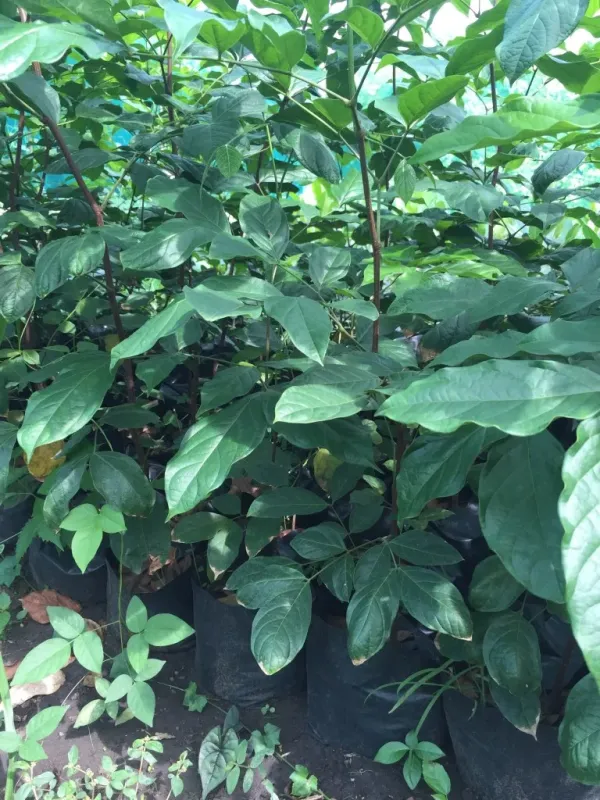
Seedlings are nurtured in nurseries until they reach sufficient size, typically 30–50 cm in height, before they are transplanted to their permanent sites.
Growing requirements
Belonging to the Fabaceae family, Albizia acle is a slow-growing deciduous tree that flourishes in lowland tropical forest environments.
The species requires ample sunlight for optimal growth; thus, planting density should be carefully managed to prevent canopy overlapping in early years.
It prefers well-drained, deep, and fertile soils, showing good adaptation to various soil textures while performing best in neutral to slightly alkaline pH levels.
A key biological trait is the species' ability to fix atmospheric nitrogen, which enhances soil fertility and supports its growth in relatively nutrient-poor conditions.
Climatic requirements involve stable tropical temperatures and a distinct seasonality, as the species is sensitive to prolonged water stress despite being hardy.
Yield
The primary yield from Albizia acle is its high-quality timber, often referred to as Acle, which is celebrated for its density and aesthetic appeal.
The heartwood is dark, rich in color, and naturally resistant to fungal decay and termite attacks, making it a premium material for high-end applications.
Market use cases focus on luxury furniture manufacturing, exquisite interior paneling, flooring, and artisanal wood carving projects.
Long-term yield potential is achieved through sustainable management practices, focusing on selective harvesting to preserve the biodiversity of the ecosystem.
Economic returns are maximized when the wood is harvested after it has reached its maturity, ensuring the structural integrity and grain quality requested by builders.
Main diseases and pests
Seedlings in nursery environments are frequently susceptible to damping-off diseases caused by various soil-borne pathogens in humid conditions.
Insect pests, particularly borers and defoliators, can pose a risk to tree vitality if infestation levels are not monitored regularly throughout the growth phase.
Environmental threats also include weed competition during the establishment years, which can starve the young tree of vital nutrients and sunlight.
Standard silvicultural practices suggest regular weeding and monitoring of plant health to mitigate the spread of pests and diseases across the plot.
Integrating diverse flora within the plantation area can serve as a natural barrier to pest outbreaks and contribute to overall stand health.