
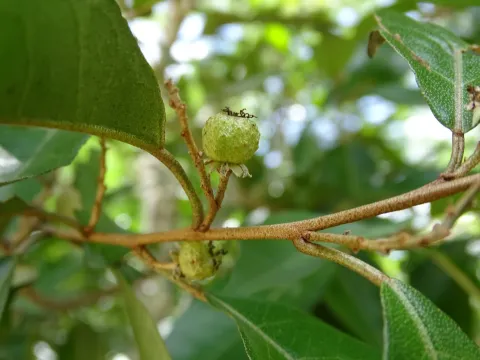
Shining Croton
Croton nitens
Shining Croton (Croton nitens) is a member of the Euphorbiaceae family. This species is native to tropical environments, primarily found across the Caribbean and parts of the South American continent.
What the section contains
Shining Croton
The crop thrives in warm climates with high humidity. Agricultural success depends on maintaining consistent temperatures between 22°C and 28°C, which are ideal for its metabolic processes and leaf growth.
Regarding soil, Croton nitens demands well-draining substrates rich in organic matter. Waterlogging is detrimental to this species, as it often leads to root hypoxia and subsequent mortality of the crop.
Botanically, the plant is distinguished by its glossy, leather-like foliage that serves as a protective mechanism against intense tropical sun exposure and excessive transpiration.
Industrial interest in this plant is primarily focused on its phytochemical properties. Various parts of the plant are harvested for extract processing in the pharmaceutical and cosmetic sectors.
The primary threats to Croton nitens plantations are fungal pathogens such as powdery mildew, which thrive in poorly ventilated or excessively humid microclimates.
Pest management is focused on controlling spider mites and mealybugs. If left unchecked, these pests can cause significant defoliation and hinder the plant's overall photosynthetic capacity.
Integrated pest management strategies are recommended, including the use of biological control agents where possible and targeted chemical applications during critical growth stages.
Regular sanitation of the fields is essential to remove decaying plant matter, which serves as a breeding ground for various soil-borne pathogens and fungal spores.
Farmers are advised to monitor the plants closely during transitions between wet and dry seasons, as these periods present the highest risk for localized outbreaks of diseases.