
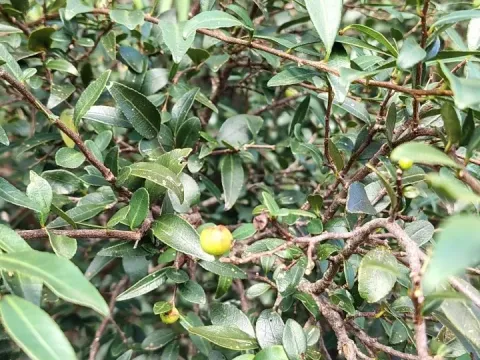
Sebastiania
Sebastiania
Sebastiania is a diverse genus of flowering plants belonging to the family Euphorbiaceae. These plants typically take the form of shrubs or small trees, characterized by their adaptation to the specific ecological niches found within the tropical zones of the Americas.
What the section contains


Sebastiania
The native range of Sebastiania is widely distributed across Central and South America, notably in Brazil and surrounding countries. They thrive in environments ranging from dense tropical rainforests to more open, shrub-dominated landscapes, demonstrating significant evolutionary flexibility.
Environmental requirements for the successful growth of Sebastiania involve well-drained, nutrient-rich soils. They show a clear preference for consistent moisture levels in the root zone, though they are intolerant of prolonged waterlogging, which can easily lead to root failure.
Climate needs include high ambient humidity and stable, warm temperatures throughout the year. As tropical plants, they do not possess adaptations for surviving freezing conditions, making them suitable for cultivation only in specific frost-free agricultural zones or controlled environments.
Economic and industrial use of Sebastiania often centers on its botanical features, including the extraction of latex or the utilization of its durable wood. Several species have been historically significant in local economies for their wood quality or potential pharmacological applications derived from their secondary metabolites.
Common threats to Sebastiania include fungal infections caused by high environmental humidity, such as leaf spot and various types of mildew. These pathogens can compromise the health of the foliage, directly impacting the plant's photosynthetic capacity and overall development.
Pests such as aphids, mites, and various scale insects are typical challengers for nursery stock and wild populations alike. They feed on plant fluids, often causing deformations in young leaves and weakening the plant's ability to resist secondary infections.
Managing disease risks involves ensuring proper spacing between plants to facilitate airflow, which is critical in preventing the buildup of fungal spores. Regular pruning of dead or diseased branches helps maintain the structural integrity and health of the trees.
Soil-borne pathogens represent a hidden danger, particularly in nursery settings where drainage might be insufficient. Implementing proper substrate management and using sterilized soil components can significantly lower the incidence of root-related complications.
Integrated pest management strategies are highly recommended for large-scale production. By combining biological controls, such as beneficial predators, with cultural practices, growers can maintain healthy Sebastiania populations while minimizing the environmental impact of chemical treatments.