
Gaultheria
Gaultheria procumbens L.x Gaultheria shallon Pursh
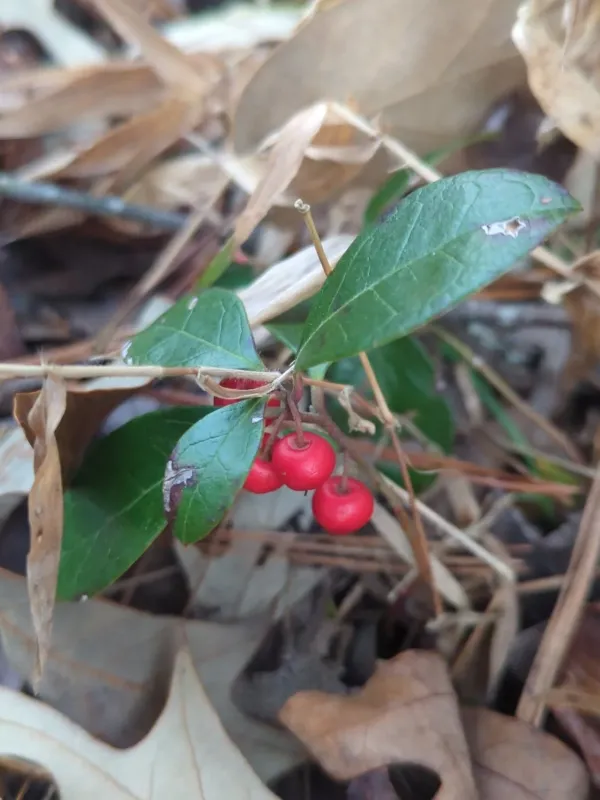
Description
Growing requirements
Gaultheria, a member of the Ericaceae family, is a perennial evergreen shrub native to the forests of North America. It is highly valued for its creeping habit and adaptability to various forest floor environments.
Successful cultivation requires highly acidic soil conditions, ideally with a pH between 4.5 and 5.5. The growing medium should be rich in organic matter, such as leaf mold or peat, which helps maintain moisture while ensuring adequate drainage.
The plant thrives in partial shade or dappled sunlight. Direct, harsh sunlight during the peak of summer can cause leaf scorch, reducing the quality of the foliage and slowing down the overall growth rate of the shrub.
Climate requirements involve cool, temperate environments with consistent rainfall throughout the growing season. While the species is cold-hardy, extreme temperature fluctuations in early spring can sometimes damage tender new growth.
Agrotechnical maintenance focuses heavily on moisture management. Because Gaultheria has a shallow root system, it does not tolerate deep soil drying. Organic mulch is essential to regulate soil temperature and retain humidity levels.
Main diseases and pests
Fungal diseases are the primary threat to commercial Gaultheria plantations. Leaf spot caused by Phyllosticta species frequently occurs when canopy air circulation is restricted or when humidity remains excessively high for extended periods.
Root rot, particularly Phytophthora, is a lethal issue caused by waterlogged soil conditions. Ensuring proper soil structure and utilizing raised beds can prevent water accumulation around the roots, effectively reducing disease outbreaks.
Insect pests such as scale insects and spider mites are common in greenhouses or sheltered outdoor environments. These pests feed on plant sap, leading to yellowing of the foliage and a reduction in the shrub's overall vitality.
Integrated Pest Management (IPM) strategies are recommended to maintain plant health. This includes monitoring for early signs of infestation and applying targeted horticultural oils or insecticidal soaps before a population explosion occurs.
Pruning diseased or dead branches is a critical sanitation practice. By removing affected tissue, growers can effectively manage the spread of pathogens and maintain the aesthetic and functional value of the Gaultheria crop.