
Gaultheria procumbens
Gaultheria procumbens L.
Description
Sowing dates
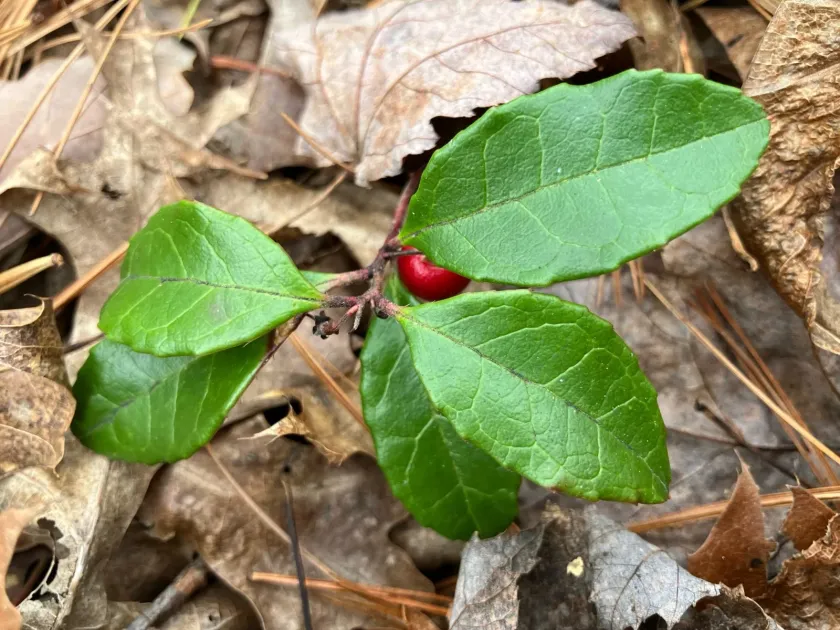
Gaultheria procumbens, commonly known as wintergreen or eastern teaberry, is an evergreen subshrub in the Ericaceae family. It spreads via creeping rhizomes, making it an excellent groundcover.
Propagation is typically done through seeds or division of existing clumps. Seeds require a cold stratification process for several months to break dormancy before germination can occur.
When starting from seed, they should be surface-sown on moist, acidic soil and kept in a cool environment with high humidity. Germination is slow and may take several weeks.
Division is the most reliable method for home gardeners. Dividing established patches in early spring or autumn ensures that the new plants have enough time to establish their root systems.
Spacing should be managed to allow the plants to spread naturally, usually planting them 25-30 centimeters apart to achieve a dense, carpet-like appearance within a few seasons.
Growing requirements
Wintergreen thrives in acidic, well-draining, organic-rich soils. It has a low tolerance for alkaline conditions, which often cause iron chlorosis in the foliage.
The plant prefers partial to full shade. While it can tolerate some sun in cooler climates, intense summer heat and direct light will cause significant damage to the leaves.
Consistent soil moisture is crucial. Wintergreen does not tolerate drought well, so regular irrigation is necessary during dry spells to keep the root zone hydrated.
Mulching with pine needles or acidic compost is highly recommended. This helps retain soil moisture, maintain low pH levels, and protects roots during cold winters.
Providing a sheltered site that is protected from strong, drying winds will help the plant maintain its glossy green foliage throughout the winter months.
Yield
Gaultheria procumbens is valued both as an ornamental plant and for its chemical constituents. The leaves contain methyl salicylate, which provides a distinct wintergreen scent and medicinal properties.
In a managed landscape, the yield of foliage can be harvested periodically for the production of essential oils or for medicinal herbal teas, provided the plant's health is prioritized.
Berry production is an important secondary yield. The bright red, aromatic fruits are edible and highly sought after by wildlife, as well as for decorative holiday arrangements.
Yield capacity is largely dependent on the health of the rhizomatous network. A well-established patch will continue to produce more biomass annually as it expands across the site.
While not a primary agricultural commodity, wintergreen is an important crop for specialized herbal nurseries and essential oil distillers focusing on natural products.
Main diseases and pests
Leaf spot is the most frequent disease affecting wintergreen, usually triggered by stagnant air and excessive moisture on the foliage, especially in dense, unpruned patches.
Root rot is a major threat in poorly drained soils. Overwatering or planting in heavy clay creates an environment where soil pathogens thrive, leading to rapid plant decline.
Pests such as scale insects or spider mites can occasionally affect the plants, particularly in greenhouse conditions or during periods of environmental stress.
Preventative care is the best strategy. Ensuring proper soil drainage, adequate spacing, and good airflow around the plants significantly reduces the risk of fungal infections.
If symptoms of disease appear, affected parts should be removed promptly, and targeted organic treatments or fungicides can be applied to stop the spread.
Harvesting
Leaves are typically harvested during the growing season. It is essential to harvest sustainably, taking only a small portion from each patch to ensure the plant's continued vigor.
The berries ripen in late autumn and persist through the winter. They can be picked by hand when fully red, which is when their aromatic and medicinal properties are most concentrated.
Post-harvest, leaves and berries should be dried in a cool, dark, and well-ventilated area to preserve the volatile oils, which are easily degraded by high heat.
For commercial or medicinal use, the material is often processed through steam distillation to extract wintergreen oil, known for its cooling and analgesic effects.
Storage should be done in airtight containers away from direct sunlight, ensuring that the moisture content is low enough to prevent mold during the storage period.