
Salal
Gaultheria shallon Pursh
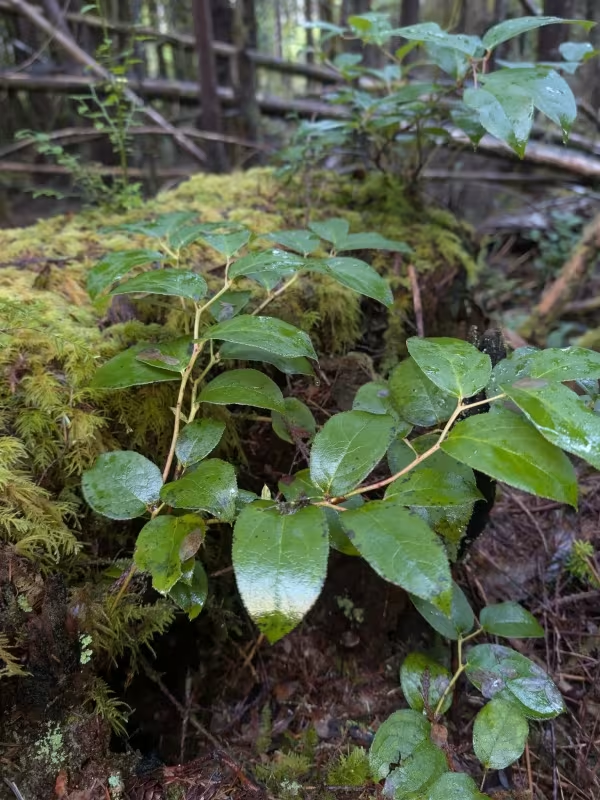
Description
Growing requirements
Salal (Gaultheria shallon) is a robust evergreen shrub belonging to the Ericaceae family, native to western North America. It is characterized by its leathery, dark green leaves and ability to form extensive, dense thickets through its vigorous rhizomatous root system.
This species thrives in acidic, humus-rich soils that offer excellent drainage while maintaining consistent moisture levels. The plant is highly sensitive to soil pH and will show signs of nutrient deficiencies, such as yellowing leaves, if grown in alkaline or lime-rich environments.
Climatically, Salal prefers maritime or temperate regions with cool, humid summers and mild winters. While it can tolerate a range of light conditions, it is best suited for partial to full shade, making it a premier choice for understory planting where sunlight is limited.
Cultivation requires minimal intervention once established, provided the soil remains acidic and well-mulched. Pine needles, wood chips, or peat moss are excellent mulching materials that help conserve moisture and maintain the necessary acidic environment for optimal root growth.
Propagation is most effectively achieved via division of the underground rhizomes or through layering of low-hanging stems. Seed germination is possible but generally slow and inconsistent, making vegetative propagation the preferred method for commercial nurseries.
Main diseases and pests
Disease pressure on Salal is usually associated with leaf spots caused by various fungi, which become problematic in areas with poor airflow and excessive moisture. Thinning the thickets periodically helps to improve air circulation and reduce disease risk.
Pest issues include aphids and certain mite species that target the succulent new growth of the plant. Maintaining plant health through proper site selection and watering practices is the most effective way to prevent widespread infestations.
Harvesting
The fruit of the Salal shrub consists of dark, purple-black berries that are edible and have been a staple food for indigenous populations for centuries. The berries possess a sweet, mild flavor and are often processed into jams, jellies, and flavorful dessert fillings.
The plant is equally famous in the floral industry for its lush, long-lasting foliage. The stems are frequently harvested for use in arrangements, as the glossy, waxy leaves remain vibrant for several weeks even after being cut from the main shrub.
Harvesting berries occurs in late summer or early autumn. Pickers focus on clusters that have reached a deep, dark color, which indicates peak sugar content and ripeness. The process is primarily manual to avoid damage to the fragile branches.
Post-harvest management involves cooling the fruit immediately to maintain quality and prevent rapid decay. Salal berries are delicate and do not have a long shelf life, so immediate processing or cold-chain logistics are essential for commercial success.
For the foliage harvest, branches are selected based on leaf health and aesthetic symmetry. These are bunched and packaged for export, forming a significant portion of the non-timber forest product economy in the Pacific Northwest.