
Flame azalea
Rhododendron calendulaceum
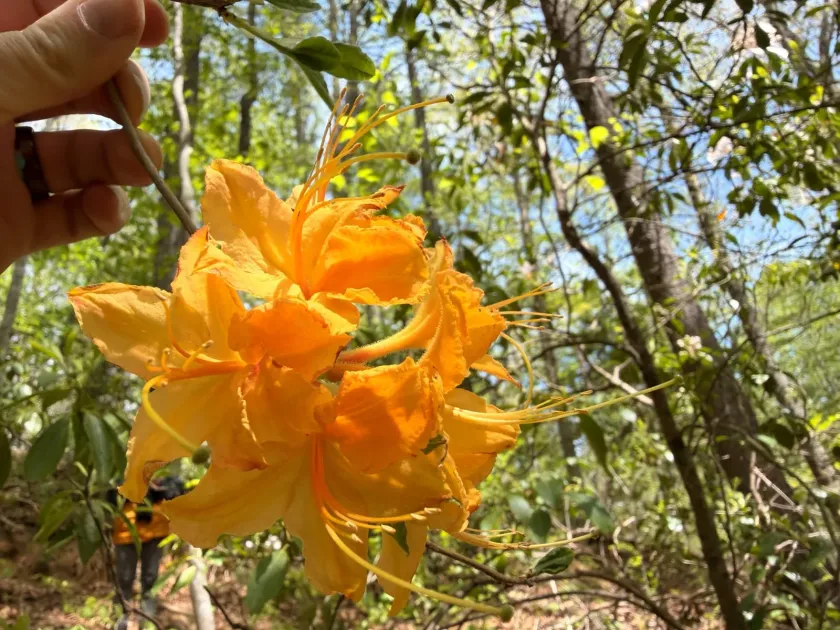
Description
Growing requirements
Rhododendron calendulaceum, commonly known as Flame azalea, is a deciduous shrub belonging to the Ericaceae family. It is native to the Appalachian Mountains in the United States, where it thrives in well-drained, acidic forest soils.
The cultural requirements for this plant are specific: it demands acidic soil with a pH between 4.5 and 5.5. Incorporating organic matter such as peat moss or pine needles is essential to provide the necessary structure and nutrient profile for the root system.
This species requires a location with partial shade, especially during the hottest part of the day. Exposure to excessive direct sunlight can cause leaf scorch and drought stress, which severely hinders the plant's growth and vigor.
Regular irrigation is vital, as the shrub does not tolerate prolonged dry periods. Applying a layer of organic mulch around the base helps retain soil moisture and maintains the required acidic environment for the shallow root system.
In landscaping, it is used as a focal point in woodland gardens or in mass plantings for dramatic floral displays. Its vibrant color palette and adaptability to temperate climates make it a prized specimen for horticulturalists.
Main diseases and pests
The primary fungal threat to the Flame azalea is Phytophthora root rot, which is often encouraged by over-watering or poor soil drainage. Improving soil aeration is the best preventative measure to maintain root health.
Lace bugs are the most common insect pests, feeding on the undersides of leaves and leading to stippling and eventual leaf drop. Integrated pest management, including the use of horticultural oils, is effective in controlling these populations.
Leaf spots, often caused by fungi such as Cercospora, can appear during rainy seasons. Removing and disposing of infected foliage helps reduce the spread of spores throughout the shrub canopy.
Nutrient deficiencies, particularly iron chlorosis, occur when the soil pH rises, preventing the plant from absorbing essential minerals. Keeping the soil sufficiently acidic is crucial to preventing yellowing of the leaves.
Frost damage during the early spring season can destroy delicate flower buds. Providing a sheltered location or temporary covering during unexpected late-season frosts is highly recommended in colder hardiness zones.