
Gaultheria-leaved blueberry
Vaccinium gaultheriifolium
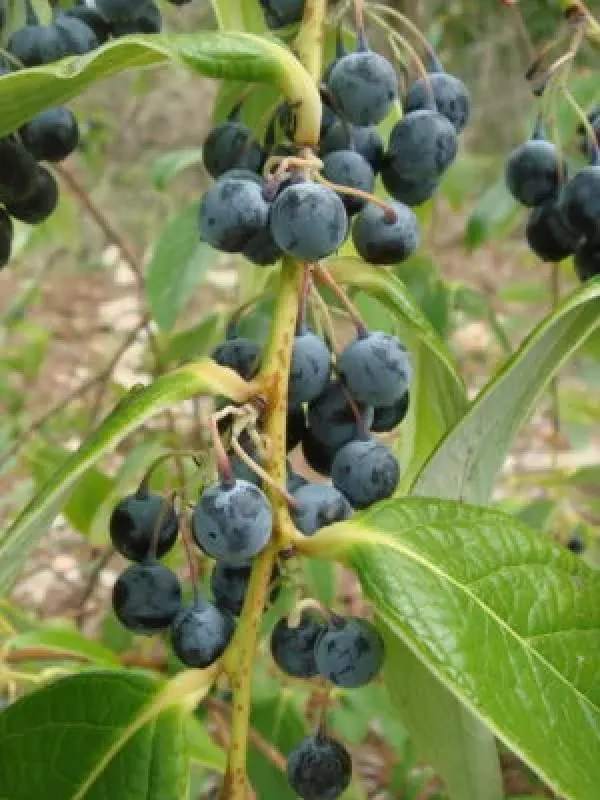
Description
Growing requirements
The gaultheria-leaved blueberry (Vaccinium gaultheriifolium) is a perennial shrub species within the Ericaceae family. It is a specialized botanical relative of common commercial blueberries and cranberries.
The species is native to the high-altitude regions of the Himalayas and parts of Southeast Asia. It thrives in cool, montane climates characterized by high atmospheric humidity and relatively stable temperatures throughout the growing season.
Successful cultivation requires highly acidic soil conditions, ideally between pH 4.5 and 5.5. The planting medium must be loose, airy, and rich in organic matter, typically achieved using a mix of peat moss, pine needles, and perlite.
Proper drainage is paramount for the health of Vaccinium gaultheriifolium. While the plant requires consistent moisture, the root system is highly susceptible to root rot if left in waterlogged conditions, making raised beds or slopes preferred.
In terms of sun exposure, this shrub prefers dappled shade or indirect light. In hotter climates, it is essential to provide shade cloth or plant it under an established canopy to prevent leaf scorch and ensure physiological stability.
Harvesting
The primary use for the plant is the harvesting of its edible berries. Though primarily harvested from wild stands, there is potential for small-scale cultivation due to the fruit's nutritional density and antioxidant profile.
Harvesting is performed manually upon achieving full maturity. Because the fruit is delicate, it is often utilized locally for immediate fresh consumption or processed into jams, jellies, and traditional regional beverages.
Industrial potential lies in the pharmaceutical and nutraceutical sectors. The biochemical properties of the fruit extract are currently being researched for their health-promoting compounds, similar to other members of the genus.
Agrotechnical maintenance includes regular mulching with organic materials to suppress weeds and maintain soil acidity. Nutrient management should be restricted to fertilizers formulated for acid-loving ericaceous plants.
Beyond its culinary utility, the plant is valued as an ornamental specimen. Its structural habit and evergreen foliage make it an excellent choice for specialized rock gardens and landscape projects focused on mountain-type vegetation.